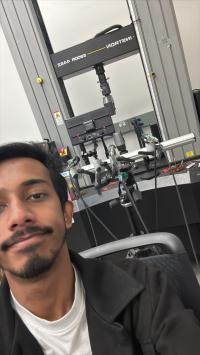

When Zubawer Ibn Atique arrived at 两性色午夜鈥檚 College of Aeronautics and Engineering from Bangladesh, he came with a passion for aerospace engineering and a desire to work in an environment that "encourages innovation, ambitious thinking, and growth without fear of failure." What he didn't expect was that by his junior year not only would he be conducting cutting-edge materials research that could shape the future of space exploration, he鈥檇 be winning first place for it.
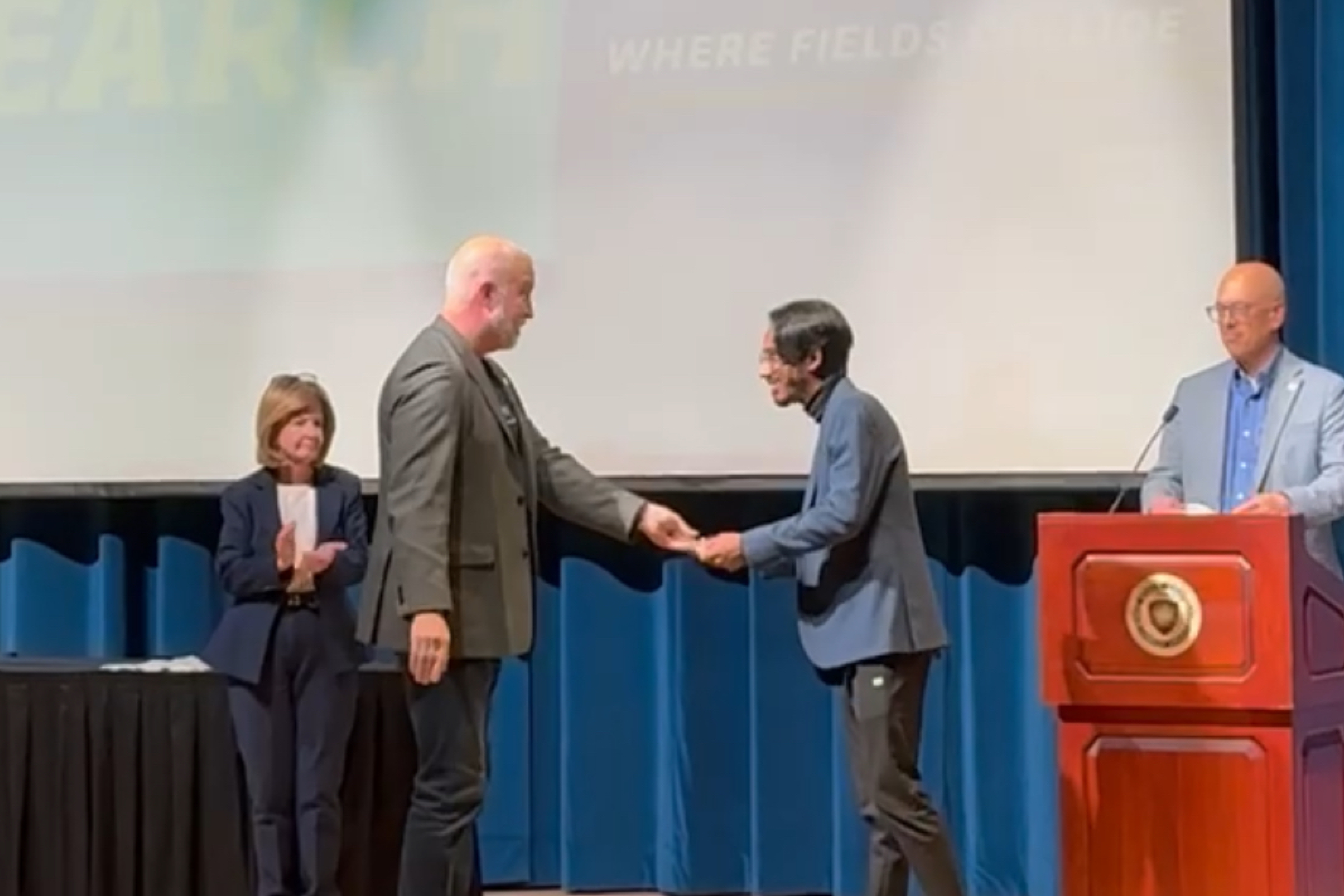
Atique's project through 两性色午夜's Summer Undergraduate Research Experience (SURE) program explored whether Kapton polyimides, materials already used in aerospace applications, could withstand the extreme conditions of atmospheric re-entry. The results earned him top honors in his category at the university's 10th annual SURE competition in October 2025.
Pushing Materials to Their Limits
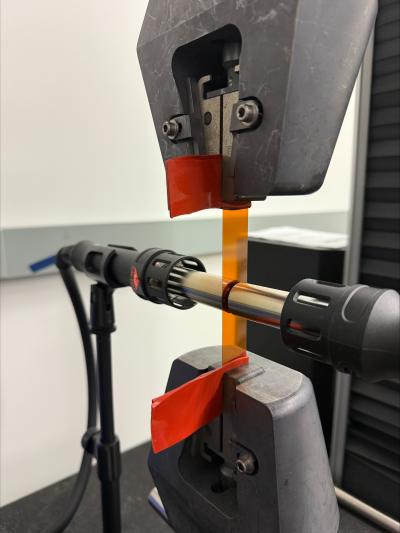
One of the biggest challenges in re-entry vehicle design is finding lightweight materials that can survive extreme temperatures around 450鈥�500掳C and high pressures for short durations. While Kapton polyimides are proven performers, publicly available data typically only covers temperatures up to 200掳C for extended periods, not the intense, brief conditions of re-entry.
"Our research aimed to determine whether Kapton could survive much higher temperatures and pressures for around 30 seconds, which is more representative of re-entry conditions," Atique explained. "This topic particularly interested me because it explores a previously unexplored regime of material behavior and has the potential to expand how these materials are used in future aerospace systems."
According to his mentor, Dr. Ali Abdul-Aziz, Atique "took the seed of an idea that we developed and turned it into a robust, relevant research project that has some really cool implications for low-mass space probes."
The R1 Advantage: Where Theory Meets Practice
As one of only seven R1 Research Universities in Ohio鈥攁 designation recognizing the highest level of research activity and placing 两性色午夜 in the top 5% in doctoral research鈥斄叫陨缫� offers undergraduate students access to graduate-level facilities and expertise typically unavailable at other universities.
For Atique, this meant working hands-on with specialized stress-testing equipment in the Materials Research Lab alongside mentors Dr. Abdul-Aziz and Dr. Jeffrey Balcerski, with additional support from graduate student Mubaraq Onifade.
"Working in Dr. Abdul-Aziz's lab helped me bridge the gap between classroom theory and real-world aerospace applications," Atique said. "Concepts like stress, strain, and deformation that I learned in my Strength of Materials course became much clearer when I applied them using specialized stress-testing equipment on aerospace-grade materials. This hands-on experience deepened my understanding of material science and helped me develop practical skills that are essential for an engineering career."
The eight-week SURE program provided Atique with a $3,200 stipend to focus full-time on research during the summer, plus professional development opportunities and connections with fellow undergraduate researchers across disciplines.
Research Lessons Beyond the Lab
Despite strong preparation from coursework in Strength of Materials, MATLAB, and CAD, Atique quickly discovered that real research rarely follows a textbook path.
"What surprised me most was how many unknown variables emerged while trying to answer even a single research question," he reflected. "Each solution often revealed new challenges that had to be addressed before moving forward, which taught me that research is an iterative and constantly evolving process."
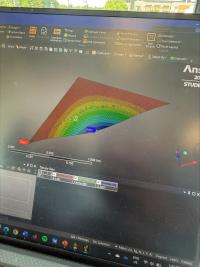
That iterative process paid off when Atique condensed his complex materials science research into a compelling three-minute presentation for the SURE competition. His strategy? Focus on impact rather than equations.
"Instead of diving into complex equations or experimental notation, I framed the work in a way that allowed a general audience to easily visualize the challenge and its solution," he said. Judges connected with his willingness to "approach an uncertain problem methodically, even without guaranteed outcomes."
Opening Doors Early
The SURE experience has already influenced Atique's trajectory. He's now pursuing 两性色午夜's combined bachelor's鈥搈aster's program and seeking spring internships in aerospace research and development.
"The most rewarding aspect of undergraduate research has been gaining hands-on experience that directly supports my long-term career goals," Atique said. "Through SURE, I developed valuable technical and analytical skills while working on a project with real-world aerospace relevance. This experience also opened doors to opportunities such as presenting at conferences and working toward publishing research, which has been incredibly motivating at this early stage of my career."
For students curious about research but uncertain where to start, Atique offers straightforward advice: "Research is a learning process, and no one expects you to have all the answers at the beginning. Taking the first step鈥攚hether that's talking to a professor, attending office hours, or applying to a program like SURE鈥攃an open opportunities you may not initially see."
Looking ahead, Atique has ambitious goals. "I aspire to contribute research and ideas that push boundaries and help shape the future of the industry," he said. "My long-term goal is to leave a lasting mark through innovation, leadership, and work that meaningfully advances aerospace engineering."
His journey from international student to award-winning researcher exemplifies how 两性色午夜's R1 designation translates into real opportunities for undergraduates ready to explore the frontiers of aerospace innovation.