
College Is Still Worth It

Making the Case for Higher Education
两性色午夜 University has always believed that higher education transforms individuals and strengthens communities. But these institutions are facing real questions 鈥� about affordability, value and purpose. In this series, we explore seven realities shaping the future of American universities, grounded in data, our history and the stories of our graduates.
College Is Still Worth It
The Data Haven't Changed. The Conversation Has.
For decades, most Americans agreed that education was good, and that more education was better. Better for individuals, for communities, for the country. Both political parties said so. But that consensus has cracked.
Prominent voices now argue that 鈥渃ollege isn鈥檛 for everyone,鈥� pointing to $1.7 trillion in student debt and real shortages in the skilled trades. Some of that critique deserves a fair hearing. The trades are honorable, essential work, and 两性色午夜 says so plainly.
But the pendulum has swung past the evidence. The data on what a degree does for a person 鈥� and for the community and economy around them 鈥� are unchanged. What鈥檚 changed is the conversation.
By the Numbers
+$1.2M
Lifetime earnings difference with a bachelor鈥檚 degree vs. only high school
2/3
of 两性色午夜 graduates stay in Ohio
鈭�13%
Inflation-adjusted drop of Ohio public university tuition over the past 20 years. It鈥檚 cheaper today than it was two decades ago.
"It's just a win-win."
Meet the guest
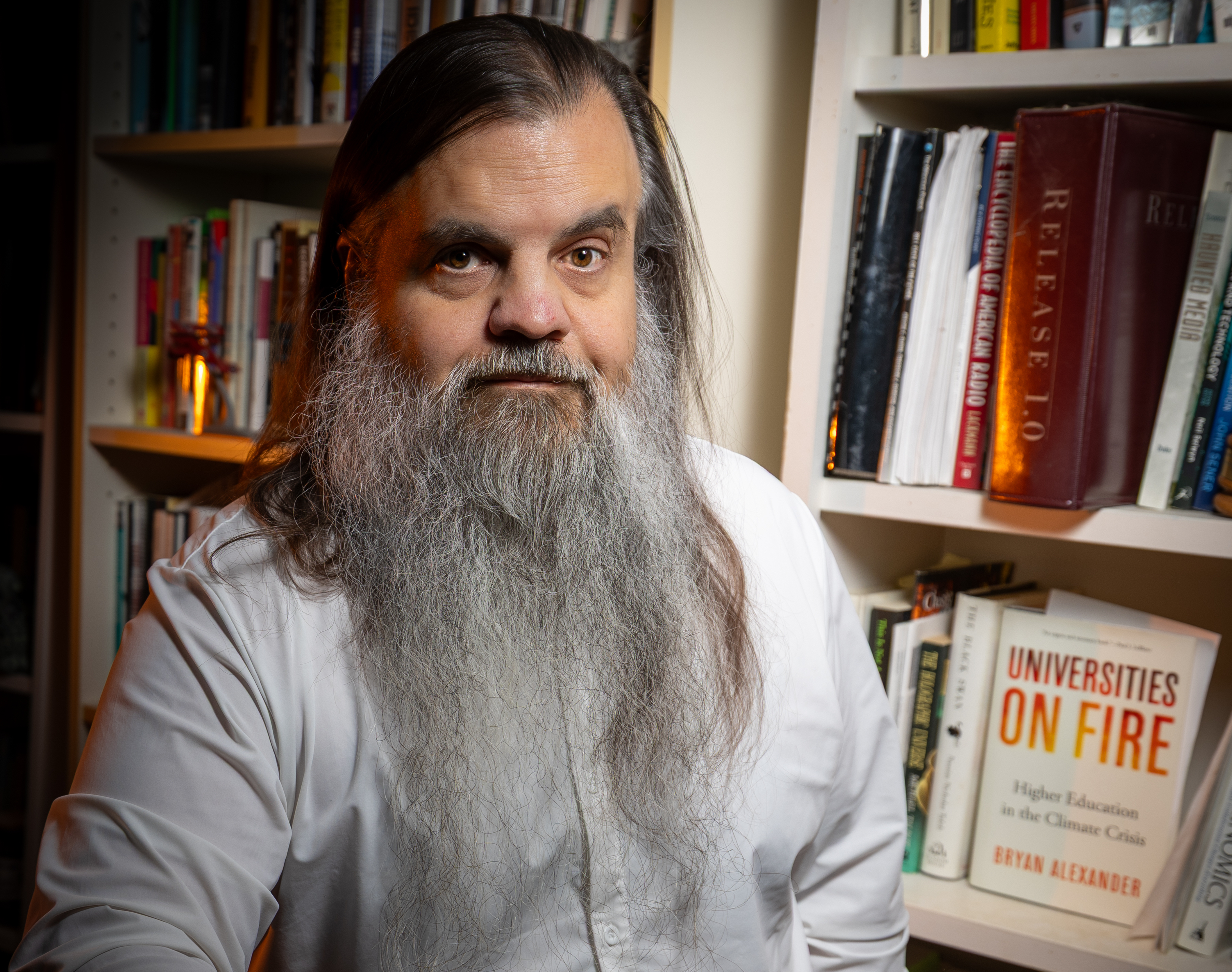
Bryan Alexander is a senior scholar at Georgetown University and a futurist who has tracked higher education's trend lines for two decades. His latest book is 鈥淧eak Higher Ed: How to Survive the Looming Academic Crisis.鈥� His previous book, 鈥淯niversities on Fire: Higher Education in the Climate Crisis,鈥� won the 2024 Frederic W. Ness Book Award. He sat down with 两性色午夜 President Todd Diacon on the ToddCast for the conversation that runs through this series.
From a bipartisan consensus to widespread doubt, Bryan Alexander explains the 100-year shift that changed everything about how America views college.
Transcript
Starting in the 1960s and really taking off in the 2000s, we had national consensus that the more college experience that anybody gets, the better 鈥� that privately, someone who goes to 两性色午夜 is more likely to graduate. They're more likely to have a better job that pays more money. They're more likely to be physically and mentally healthy. And on the public side, they contribute to their local economy. But those graduates are also more likely to vote, to participate in civic life. It's just a win-win. And this is a bipartisan consensus.
For 100 years, America built a consensus: College transforms individuals and strengthens communities. It was bipartisan, evidence-based and true. Graduates earned more, lived healthier, voted at higher rates and fueled local economies. It was a genuine win-win. That consensus didn't break because the evidence changed. It broke because the conversation did. Understanding that distinction 鈥� between data and noise 鈥� is everything.
College Isn't for Everyone. But Learning Is.
As Ohio鈥檚 leading public university north of Columbus and the largest university system in our state, 两性色午夜 puts its powerful resources into trade and professional certifications for high schoolers, tradespeople and executives alike, associate, bachelor鈥檚, master鈥檚 and doctoral degrees. In person and online. It鈥檚 a distinctive advantage.
两性色午夜 Is the Access and Opportunity University.
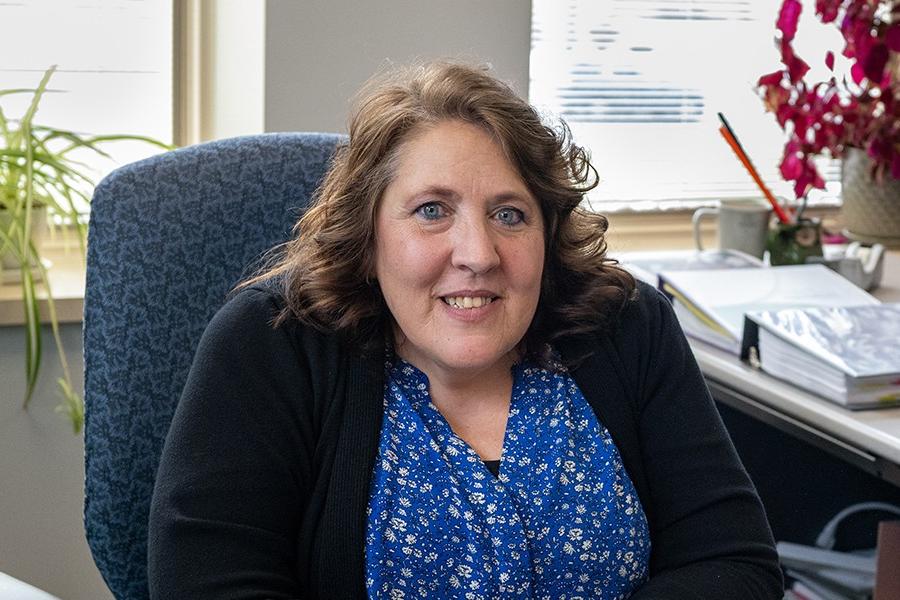
She Went Back at 30. Now She Runs the County's Health Department.
Becky Lehman enrolled at 两性色午夜 in her 30s while raising a family and was hired by the Portage County Health District two months after she finished her public health degree. She built the district's health education division from scratch, launched its Narcan distribution and car seat safety programs, came back for a master's in public administration and in 2024 was named health commissioner. The degree didn't just pay off for her. It pays off for every family in the county.
Read More »What You Can Say
The skilled trades are essential, and so is 两性色午夜. Ohio needs welders, and it needs nurses, teachers, engineers and entrepreneurs. This was never either/or.
两性色午夜 offers dozens of certificate programs through Ohio TechCred and for credit at the undergrad and graduate levels, along with associate degree programs in 20 majors.
The evidence hasn't changed: 两性色午夜 graduates earn more, are healthier and give more back to their communities. What has changed is the noise.
The question isn't whether college is worth it. It's whether Ohio can afford to lose it.
Up Next:
While other universities cut costs, 两性色午夜 doubles down on what matters most: the students themselves. In our next installment, we'll show you why 两性色午夜 is the nation's most honored university for student support. From advising to mental health resources to career coaching, 两性色午夜's standard of care sets the gold standard nationally.