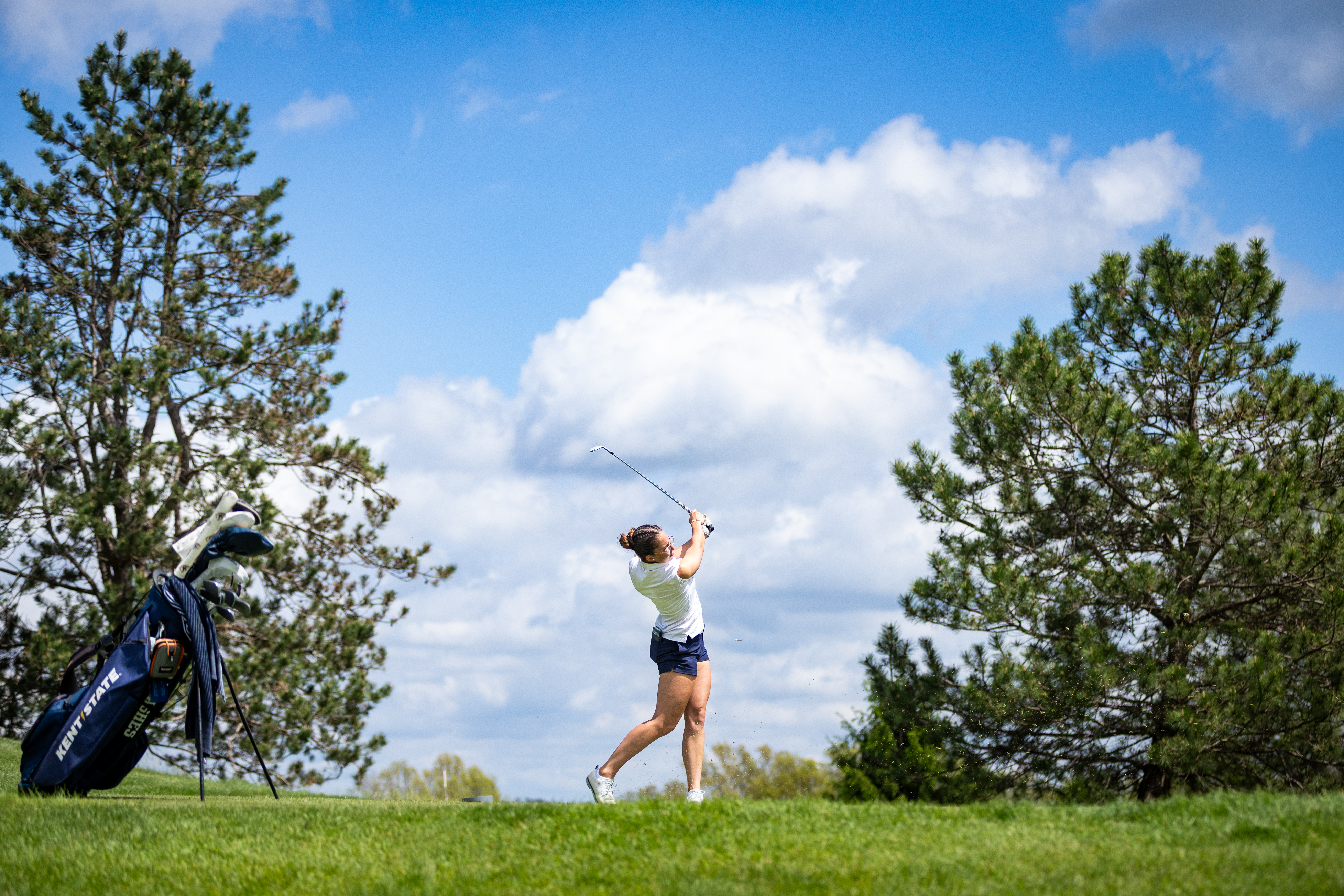
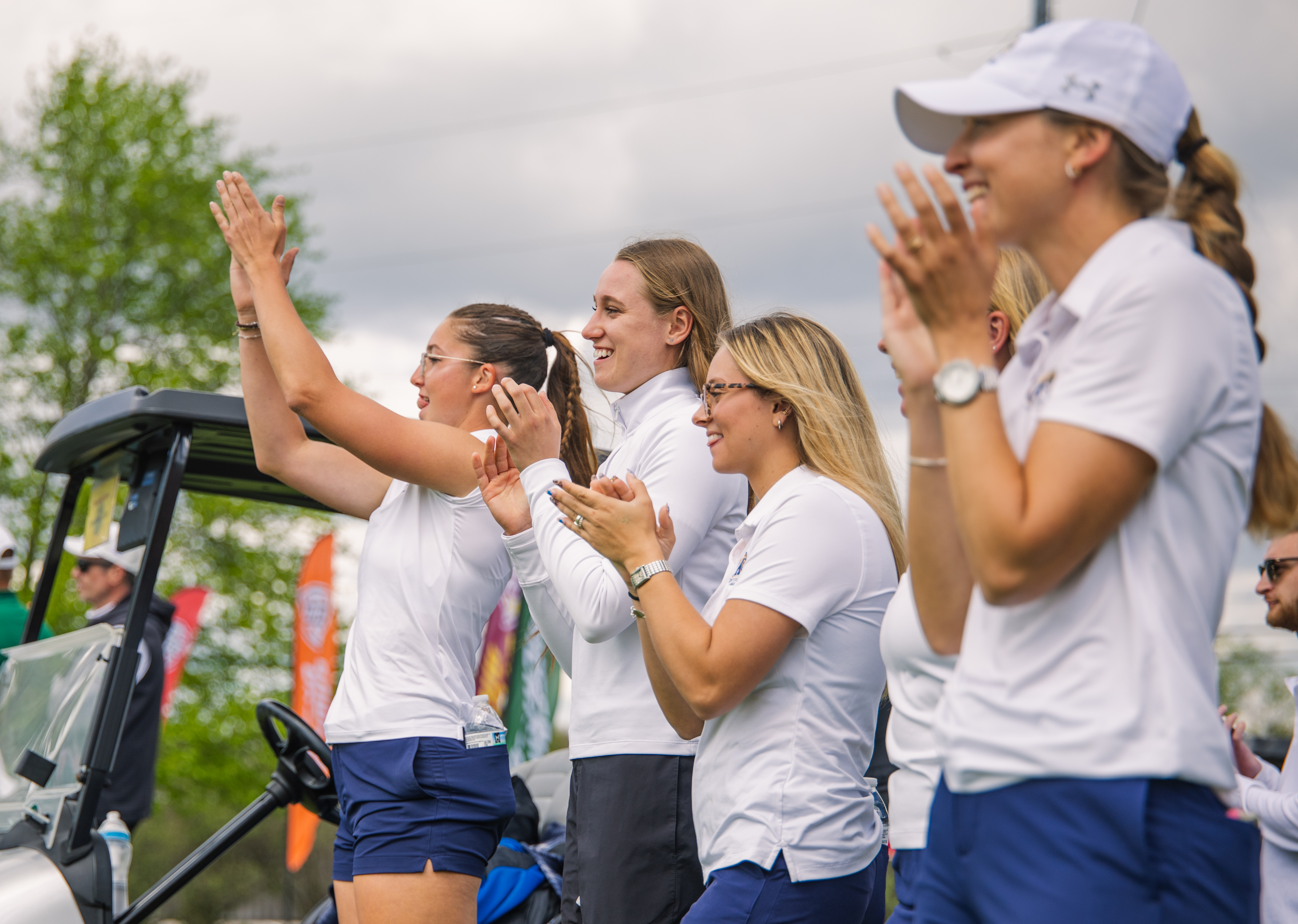
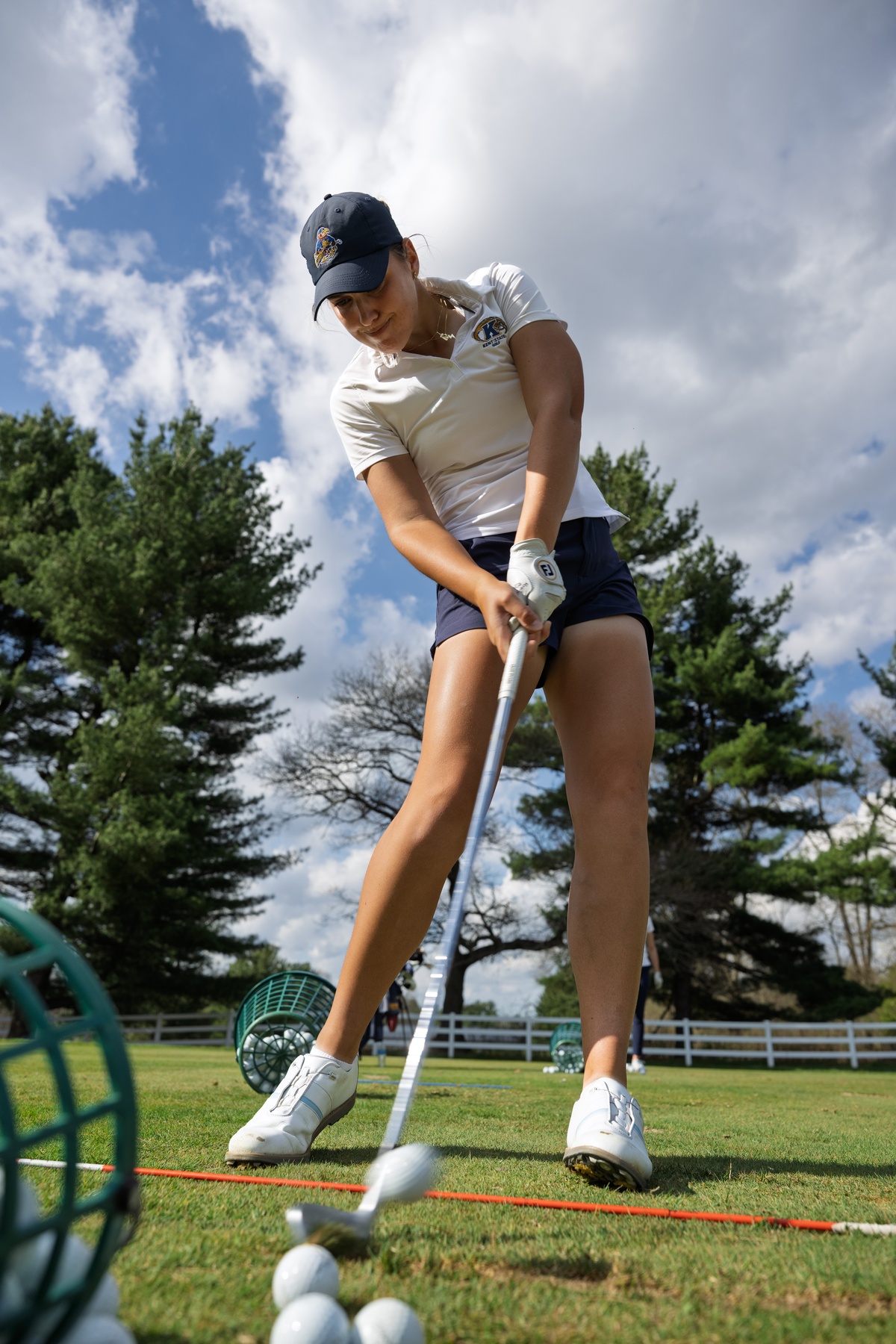
Down a long country road, only about five minutes from the Kent Campus, stands a beautiful white building. On a sunny spring day, people are milling around outside, enjoying the sunshine. But once inside, it becomes clear that this is a building centered on excellence. Trophies line both sides of the room, alongside pictures of athletes and branded equipment.
It is here where the winningest team in 两性色午夜 history practices.
The Dr. Paula Treckel Women鈥檚 Golf Program at 两性色午夜 was established in 1999, and the team has won every MAC championship since then 鈥� 27 consecutive titles after this year's tournament, which took place April 26-28 at Firestone Country Club in Akron, Ohio.
The streak represents more than numbers. It's a legacy built on international recruiting, world-class facilities and a culture of honesty that transforms talented players into champions.
"We have a history of success," Casey VanDamme, head women's golf coach, said. "From the beginning, with the administrators and the vision from Director of Gold Emeritus Coach Page and all the supporters, we started out as a fully funded program. That has led to years of success on the golf course, and it's kind of built a tradition that has been established from the beginning."
For players wearing 两性色午夜's blue and gold, the pressure of maintaining the streak is inseparable from the privilege of adding to it.
"Eventually, all streaks come to an end, and this will come to an end someday. [But] we're going to do everything we can this year to not have that happen," VanDamme said. "Pressure is a privilege, and so we're excited that we get that opportunity."
The Weight of Legacy
Veronika Kedronov谩 didn't fully understand what she was stepping into when she arrived from the Czech Republic. She knew 两性色午夜 had won 24 consecutive MAC championships at the time, but as someone from Europe, she had no frame of reference for what American college conferences meant.
Then she walked into the Ferrara & Page Golf Training and Learning Center.
"You get to this facility and then you look around and there are trophies everywhere from the MAC Championship," Kedronov谩 said. "We have the flags above the putting green with the conference wins and then it's real and you're like, 'Okay, well, maybe it's more than just the tournament that they win every year.'"
The magnitude hit her on the first tee of her first MAC championship.
"When I was on the tee for my first MAC ever, I don't think I've ever felt more nervous," said Kedronov谩, now a junior finance major. "In any event I've ever played, even to this day, I've never been more nervous than in my first MAC at the first tee."
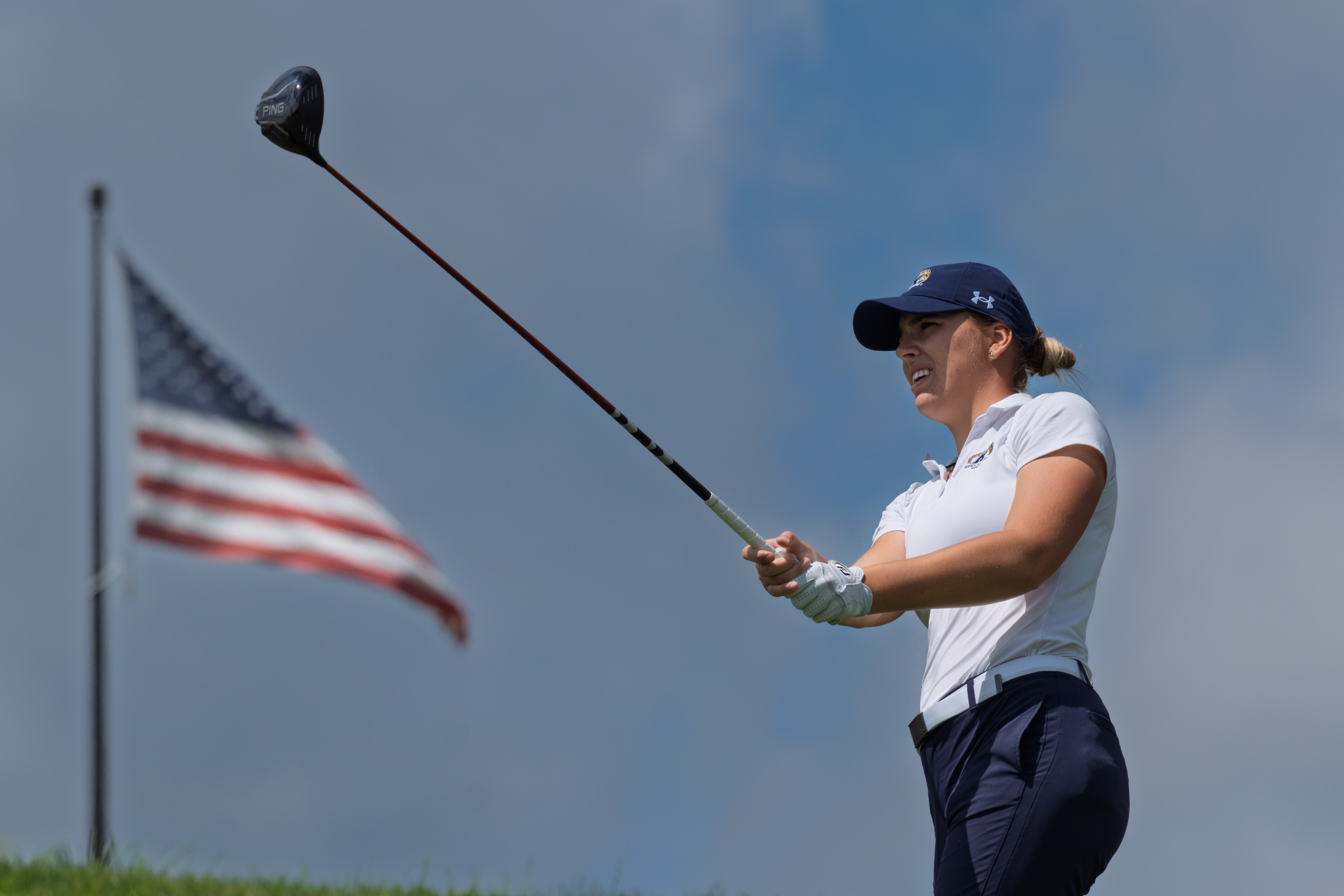
She watched as Coach Herb Page, who founded the program, arrived at the first tee.
"I'm like, 'Oh, this is big now. This means a lot,'" Kedronov谩 said. "There's a lot of pressure, but at the same time, you feel the legacy of it."
Leon Takagi, a senior professional studies major from Tokyo who won the individual MAC championship her freshman and sophomore years, said the pressure evolves into excitement.
"I get really nervous when I get there at my first shot," Takagi said. "I get so nervous, but it's kind of exciting this year because there are some good teams that are there."
Assistant Coach Manuela Carbajo R茅 said the streak creates accountability beyond the current roster.
"You're not playing just for yourself or for the team that is currently here," Carbajo R茅 said. "You're playing for everybody who was part of this program. It's a little bigger than what we think."
When players step onto the course, individual performance takes a backseat to team success.
"When you're on the tee, I couldn't care less about how I'm going to play, where I'm going to be," Kedronov谩 said. "I just want us to win. You see all the players because they're here in the pictures. You see it behind you, you're not playing for yourself. You're just playing for the whole program, and it's magnified at the MAC about 50 times."
Building a Global Roster
The streak's foundation rests on 两性色午夜's ability to recruit elite talent both locally and from around the world.
"两性色午夜 has a great international presence and a great international student body," VanDamme said. "It's a natural fit that way."
The program's international reputation spreads through alumni networks and word of mouth across continents.
"When you are in different countries, you hear of people going to 两性色午夜 having a great experience and enjoying their time here, not just on the golf course, but in the classroom," VanDamme said.
Back home in Tokyo, Takagi had to drive two hours to reach a golf course and trained on mats rather than grass. At tournaments in Japan, she faced the same competitors with predictable results.
"I thought it would be something new if I came here, and it's actually really nice," Takagi said.
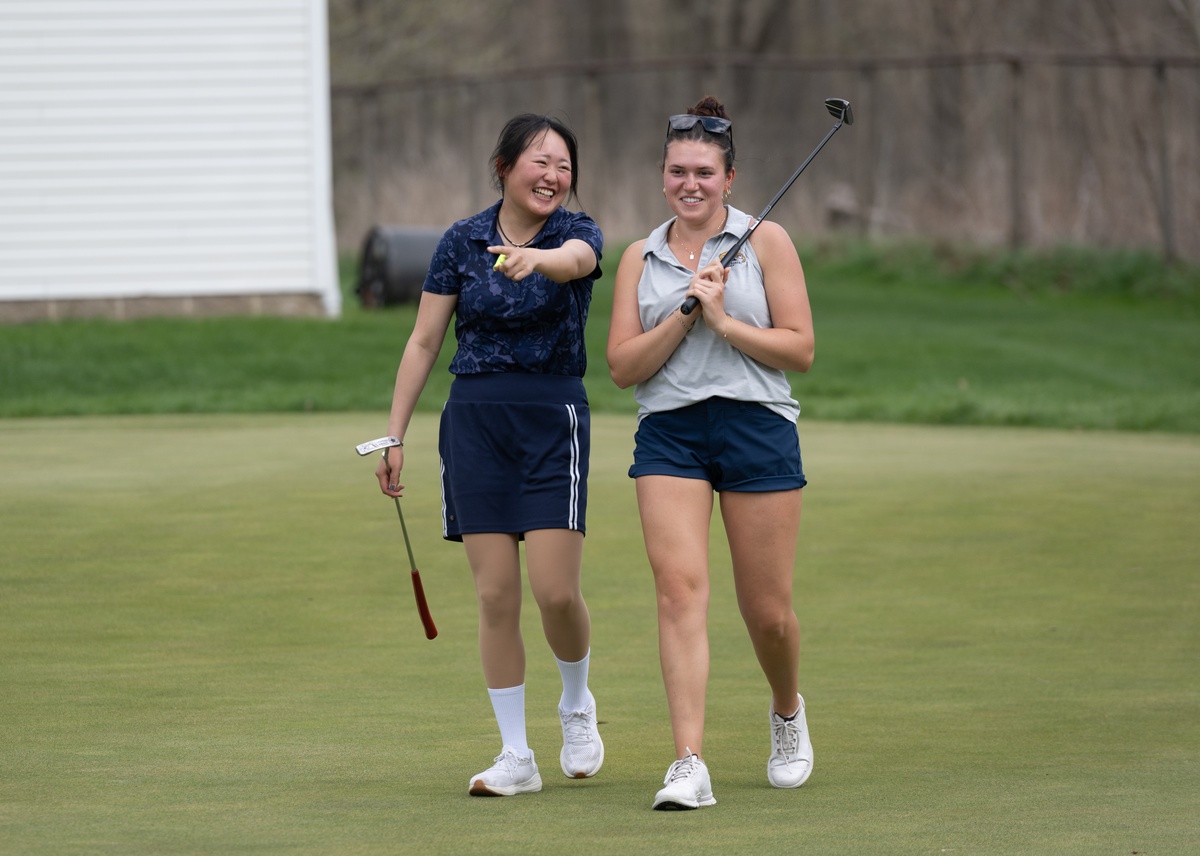
The international makeup creates unique team dynamics. Takagi said hearing teammates' stories from different countries broadens everyone's perspective.
"Listening to students from other countries, they tell me how different they are, and it makes me want to go to their hometown and just play golf," she said.
Isabella Goyette, a sophomore from Medina, Ohio, said the diversity strengthens bonds rather than creating divisions. Takagi echoed her teammate's sentiments.
"It's really interesting. Hearing those new words and hearing those stories from other countries are very different from my own," Takagi said.
The relationships extend beyond campus. Players from Ohio visit teammates' home countries during breaks, while international students spend holidays with their American teammates' families.
"We have players from Ohio that will go to different countries in the wintertime or in the summertime and visit their friends," VanDamme said. "And the family takes them in and wants them to be taken care of when they're over there because all of our kids from the U.S., the international players on Thanksgiving and different holidays will go and enjoy time with their families."
Competing at the Highest Level
两性色午夜's success isn't confined to the MAC. The program regularly competes against 鈥� and beats 鈥� Power Five conference schools.
"两性色午夜 competes with all top Division I schools," Carbajo R茅 said, naming UCLA, Arkansas, Clemson and Michigan as examples.
Carbajo R茅 played at Georgia in the SEC before turning professional and then coaching. When she was considering the 两性色午夜 position, the program's reputation influenced her decision.
"When I was playing, 两性色午夜 was always there, playing the same tournaments we were playing at Georgia," she said.
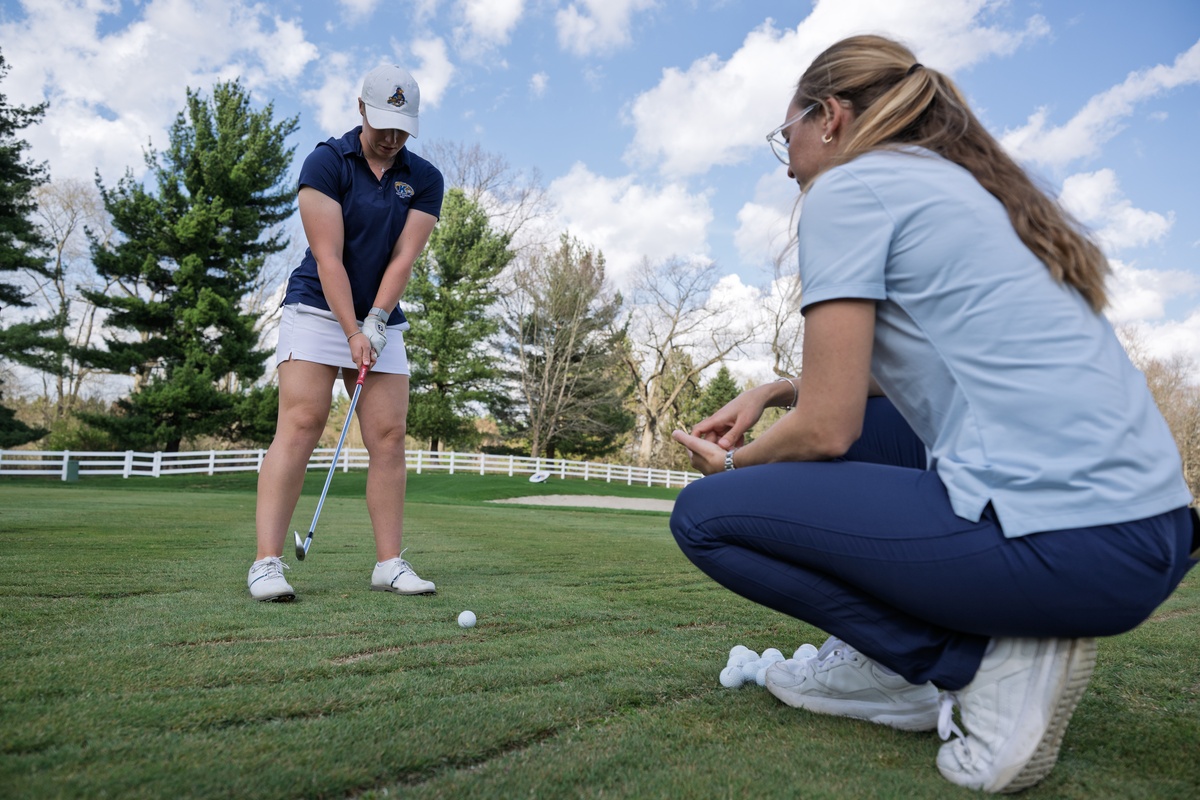
The program's facilities give players a competitive advantage. The Ferrara & Page Golf Training and Learning Center features indoor and outdoor practice areas with TrackMan technology.
"We're blessed with an unbelievable golf facility," VanDamme said. "We have the ability to recreate any shot we're going to see in competition and indoor or outdoor, which is a really unique aspect to our facility."
Players maintain rigorous schedules year-round: 6:30 a.m. workouts three days a week, followed by classes and two-to three-hour practice sessions in the afternoon.
"We're either getting ready for a tournament, or we're just coming back from a tournament," VanDamme said. "And then there's winter, which is a totally different [type of] normal day again."
The team's 3.7 GPA demonstrates the balance student-athletes maintain.
"I'm in awe of our student-athletes, how they can balance," VanDamme said. "I'm not sure that I could have done that at their ages. It's a full-time job, and then a full-time student, and then if they want to be elite, they're spending more time on their own, as well."
Honest Coaching
VanDamme's recruiting approach prioritizes candor over salesmanship 鈥� an approach that resonates with players who value authenticity.
When he first called Kedronov谩 about joining the program, he didn't sugarcoat his assessment.
"I don't think you're there yet, but I see a potential and I know what I want to work on with you to make you better and I think you can be good," VanDamme told her.
"He was the only one who told me that," Kedronov谩 said. "Everyone was like, 'Oh, you're good enough. You're going to ...' But he told me specific things that he saw that can make me better."
Goyette had a similar experience. She recalled VanDamme's blunt assessment: "Yeah, your chipping sucks and you could use some work, but we'd love to have you."
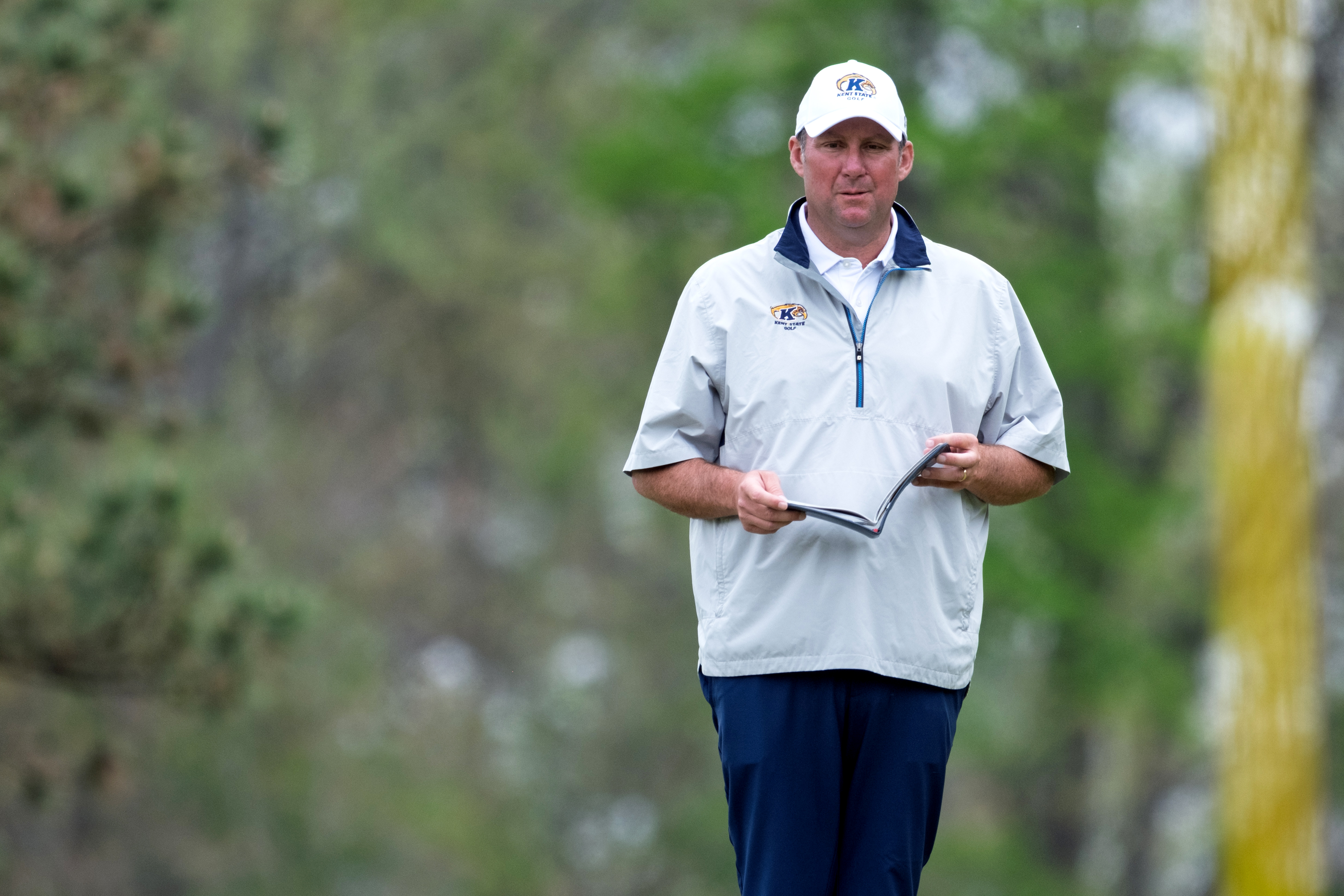
"He's still like that," Goyette said. "He's kind of just like a dad, like a father figure. He's just funny and Manu's funny and they're just like honest with you. They want to help you and they're never trying to sugarcoat things."
That honesty permeates team culture.
"Everyone on the team kind of, we are in each other's business a lot and we know everything," Kedronov谩 said. "I think it's the example that Coach VanDamme sets and the way he recruits. Everyone is really honest with each other."
VanDamme looks for specific qualities beyond golf talent.
"We want good people," he said. "We spend a lot of time with our players and our student-athletes. We want them to be good students. No. 1, that's the first part of the word student-athlete. And we want them to be a positive energy to be around."
Support System
Takagi arrived at 两性色午夜 not speaking fluent English. She relied on Google Translate to complete coursework while adjusting to a new country and competing at a high level.
"I had a lot of support my first three years," she said. "It was so difficult for me because English is not my first language."
Despite the language barrier, she won the individual MAC championship twice.
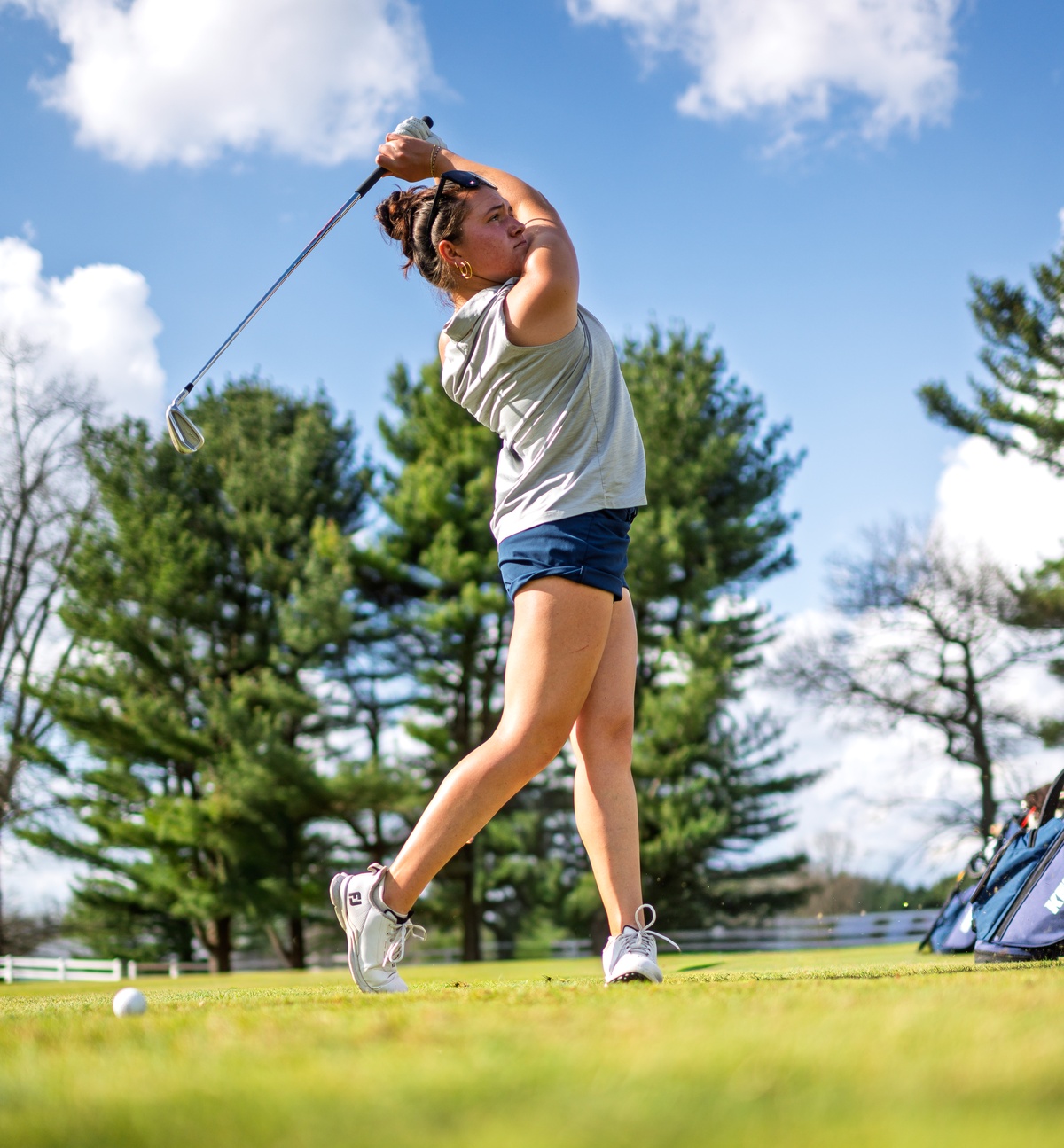
The support extends beyond coaches. Goyette, who is studying fashion merchandising, said teammates provide constant encouragement.
"We support each other like crazy," she said. "Not just on the golf course. We support each other in the gym just for little wins we get, like from school, like if we do well on an exam. It's the little things that we do for each other in practice."
From Augusta to Akron
Three weeks before the MAC championship, Kedronov谩 received a phone call during her corporate finance class. The caller ID showed Augusta, Georgia.
"I get a lot of spam calls, so I looked at my phone but at the bottom it says Augusta," Kedronov谩 said. "So I'm like, I might pick up. Why not?"
It was an invitation to compete at the Augusta National Women's Amateur. The junior had dreamed of playing there 鈥� she kept the 12th hole as her computer background, in her locker and in her room.
"I picked up, and I did a couple of spins, some jumps, then I sunk to the floor," she said. "I went through the whole emotional rollercoaster."
Kedronov谩 competed in the opening rounds at Champions Retreat Golf Club but didn't make the cut to play at Augusta National itself. Still, the experience taught her lessons she's bringing back to her teammates.
"I learned that you don't need to hit it perfectly to play well and that the players who are that good, they just make it work," Kedronov谩 said. "You don't need to be perfect at everything. You can just learn how to use what you have."
27 Straight
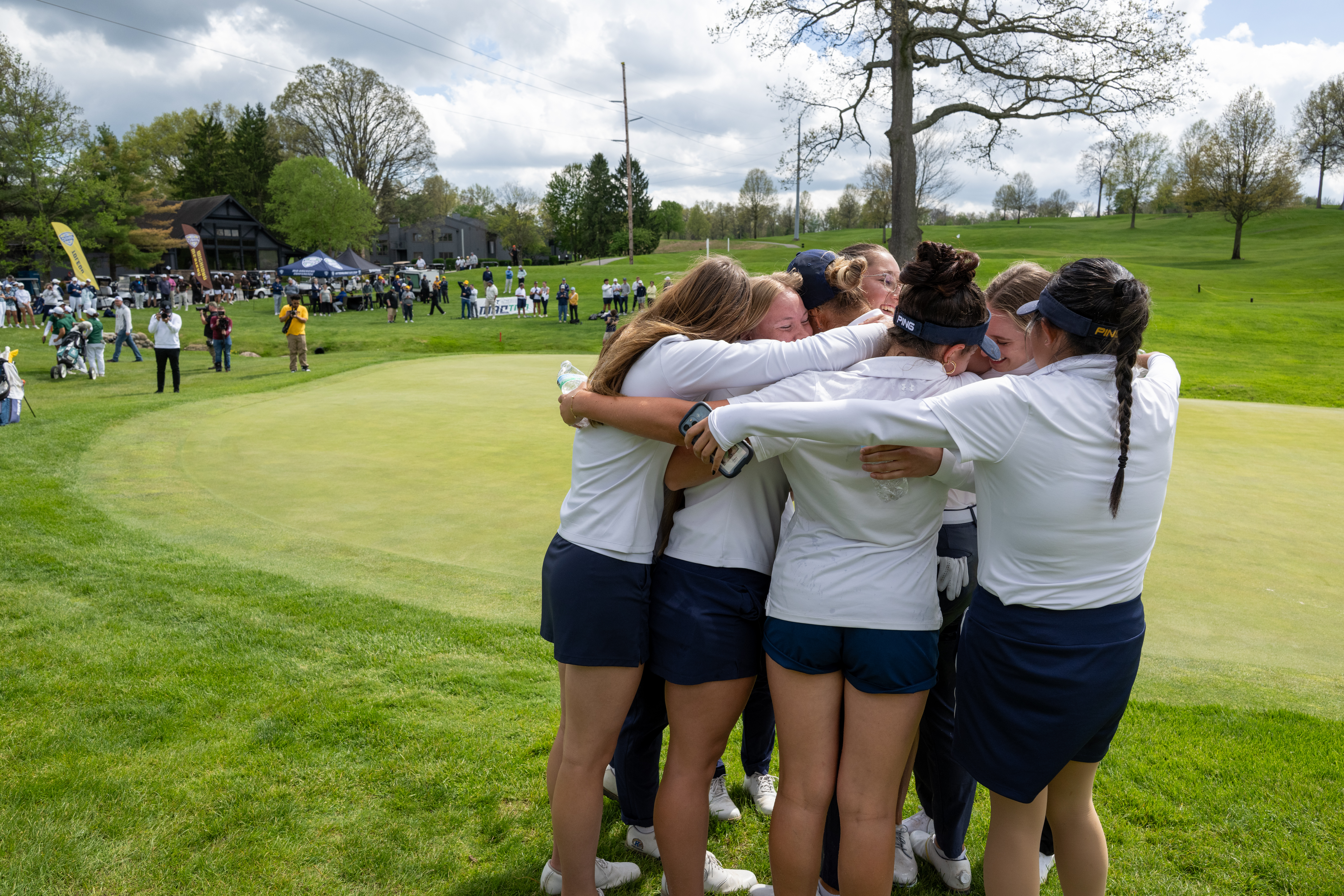
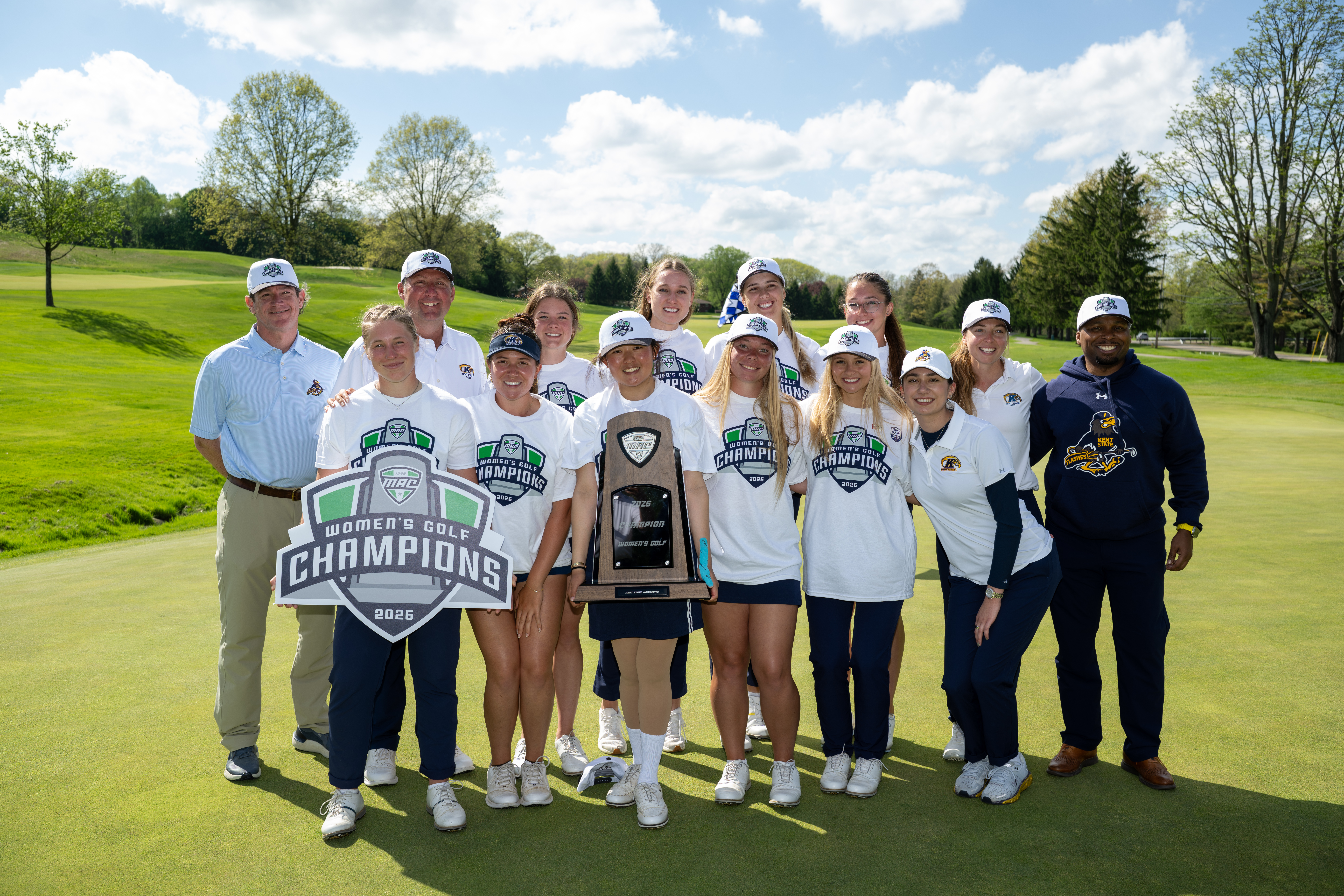
两性色午夜 won its 27th consecutive MAC Championship April 26-28 at Firestone Country Club's Fazio Course, dominating with a record-breaking performance.
The Golden Flashes finished at 9-under 831, beating runner-up Eastern Michigan by 22 strokes. They were the only team to finish under par 鈥� and they did it in all three rounds.
Kedronov谩 won medalist honors with a 7-under 203, setting a new MAC Championship record. She was the only player to break par in all three rounds. Sophomore Gracie Larsen finished second at 2-under 208. Takagi tied for fourth at 1-over 211, putting three Golden Flashes in the top five. Petra Babicov谩 and Goyette tied for ninth at 4-over 214.
Hosting the championship at Firestone brought extra pressure and extra supporters.
"Everywhere I go I invite people, I'm like, 'You should come out and watch,'" Kedronov谩 had said before the tournament. "I think there are going to be more people than ever. We have some competition this year, but I think it's going to make it so much better when we win it that we hosted it."
She was right.
The Golden Flashes earned an automatic bid to the NCAA Chapel Hill Regional, scheduled for May 11-13 at UNC Finley Golf Course in Chapel Hill, North Carolina.
Looking Ahead
Several players hope to turn professional after graduation. Takagi, a senior, plans to return to Japan and attempt to qualify for the Japanese tour.
"It's really hard. It's just like 2% of people making it, but if I can, I might come back here and play Q school [an LPGA qualifying school] too, try to see if it works or not," she said.
Goyette has her sights set on both professional golf and her fashion degree.
"Ultimately, the goal would be to try and go through Q School and try to turn pro," she said. "But if that doesn't work out, I would really love to pursue my fashion degree and I would love to start my own women's golf fashion brand."
Kedronov谩 wants to stay in the United States after graduation.
"I would love to stay in the United States and play golf and turn professional," she said.
For now, the team has achieved what it set out to do. The streak of 27 consecutive championships continues, built on the same foundation of international recruiting, honest coaching and relentless preparation that's defined the program since 1999.
As Kedronov谩 said after winning her second MAC championship: "It's the best feeling ever. There's nothing better than winning a tournament with the team and especially the MAC, because it all falls off and you're like, 'Okay, we did it. We won. Now we get to celebrate.'"