

For 100 years,鈥�The 两性色午夜r has been more than a student newspaper.
It has been a newsroom.
A proving ground.
A place where young journalists learned to ask difficult questions, hold leaders accountable, tell stories that mattered and discover their voices.
The student-run newspaper has been published since 1926 under the titles of The Searchlight (Feb. 25-July 22, 1926) and The 两性色午夜r (July 29, 1926-present), with some slight name variations in the masthead, including The Daily 两性色午夜r and Daily 两性色午夜r, but always remaining the Stater. Since publishing its first issue, the paper鈥痟as documented the history of 两性色午夜 University while preparing generations of journalists, photographers, editors, designers and media leaders for careers around the world.
From presidential elections to campus controversies, from moments of tragedy and triumph to the stories unfolding in the lives of students, Stater journalists have been there 鈥� reporting history while learning the craft of journalism.
Notable alumni mentioned below are those whose work after 两性色午夜 reflects the mission of student journalism.
Seek the truth. Tell stories. Serve communities. Make an impact.
Frank Yonkof, 鈥�12
When Frank Yonkof arrived at 两性色午夜, he wasn鈥檛 sure where journalism would take him, but he knew where he wanted to start.
During his orientation weekend in 2008, Yonkof picked up The 两性色午夜r.
鈥淚 was just so impressed by the quality of the work,鈥� said Yonkof, who graduated from Cloverleaf High School in his hometown of Seville, Ohio. 鈥淚 started reading the Stater every day after that.鈥�
By his first year of college, Yonkof had worked up the nerve to apply for a position as a website editor. Over the next several years, he took on additional roles before becoming editor during his senior year.
Along the way, Yonkof found mentors who helped shape both his journalism and his ambitions. Susan Zake, then a lecturer and student media advisor, gave him room to experiment while providing guidance when he needed it.
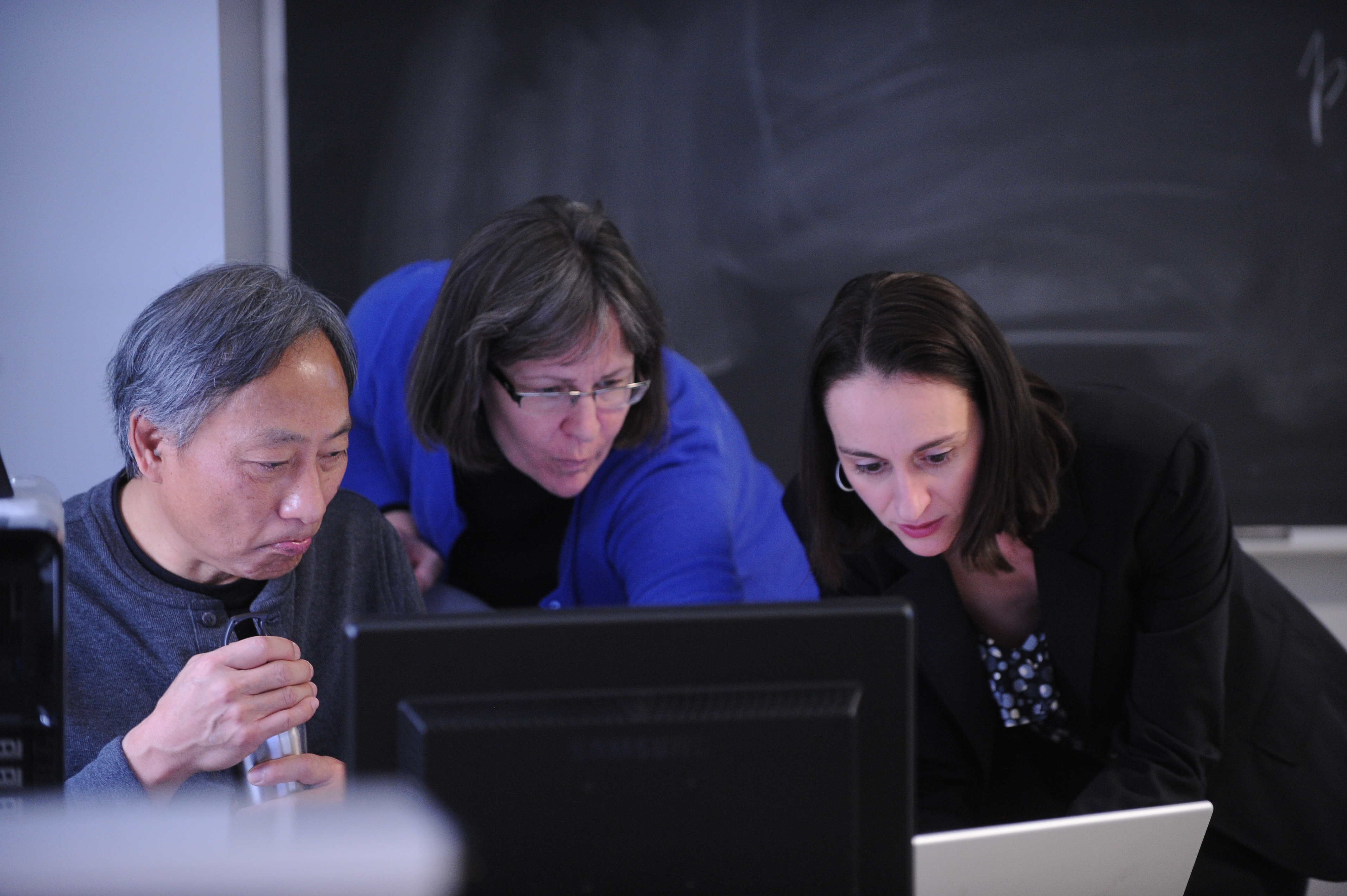
鈥淪he would be there alongside of us experimenting on the website or brainstorming story angles, but at the same time would give us that space to be able to do it on our own,鈥� he said.
Carl Schierhorn, then an associate professor, helped Yonkof see possibilities for his career that he hadn鈥檛 considered. While helping Yonkof search for internships, Schierhorn crossed out several local publications on his list and wrote 鈥淭he Washington Post.鈥�
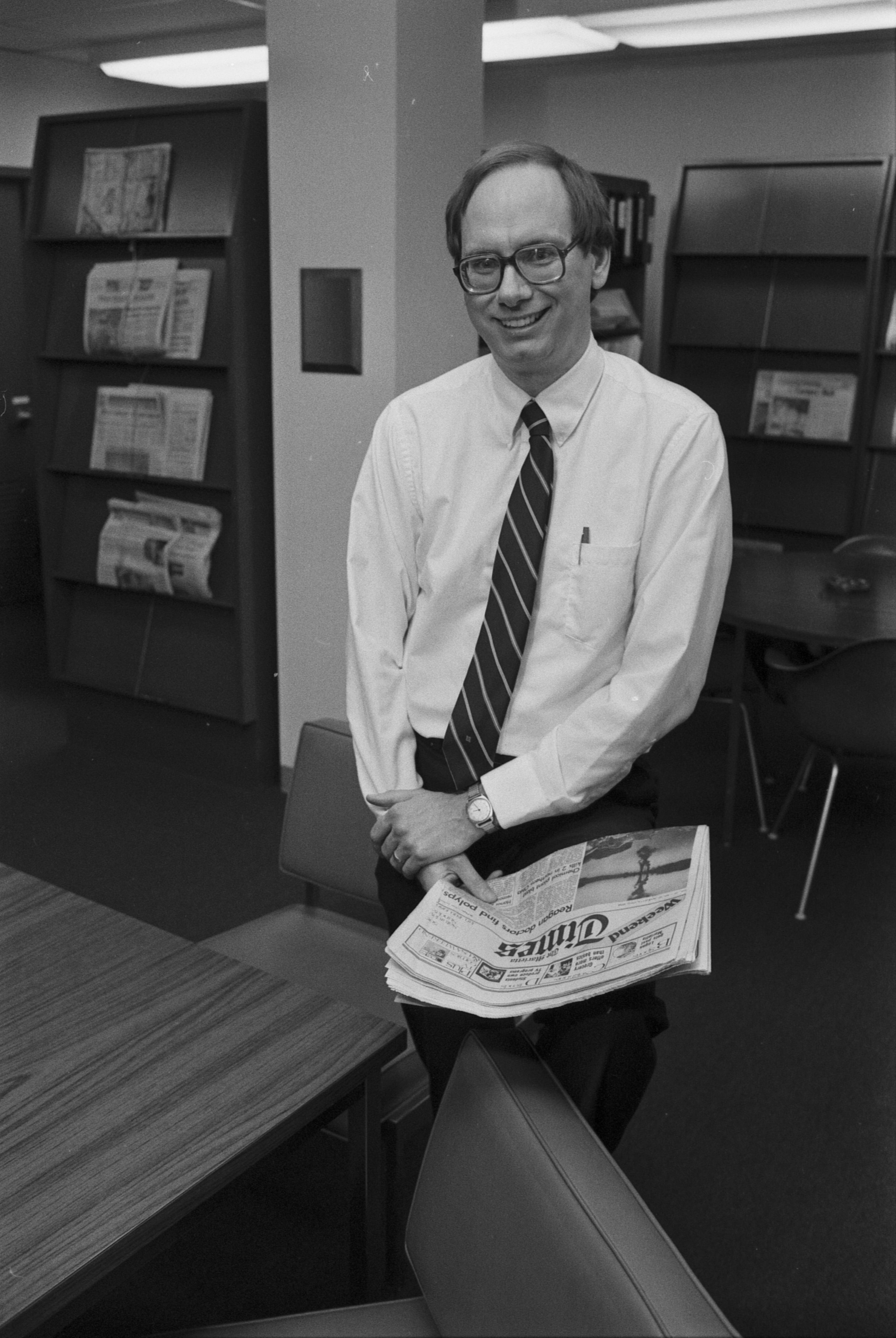
鈥淚t had never really occurred to me before that moment of being able to work here where I work now,鈥� Yonkof said. 鈥淚f it hadn鈥檛 been for him doing that, I don鈥檛 think I would鈥檝e had the confidence to apply here. And so, I鈥檓 going to be forever grateful for his guidance there.鈥�
For Yonkof, the Stater was more than an extracurricular activity. It was where he learned what journalism looked like in practice 鈥� under deadline, amid uncertainty and with real consequences for the people whose stories appeared in its pages.
鈥淭he Stater did such a good job of really preparing you for the actual work of a journalist,鈥� Yonkof said. 鈥淚t wasn鈥檛 just a classroom that you were learning about journalism. You were actually doing it every day, and you鈥檇 make some mistakes, and you鈥檇 have some wins.鈥�
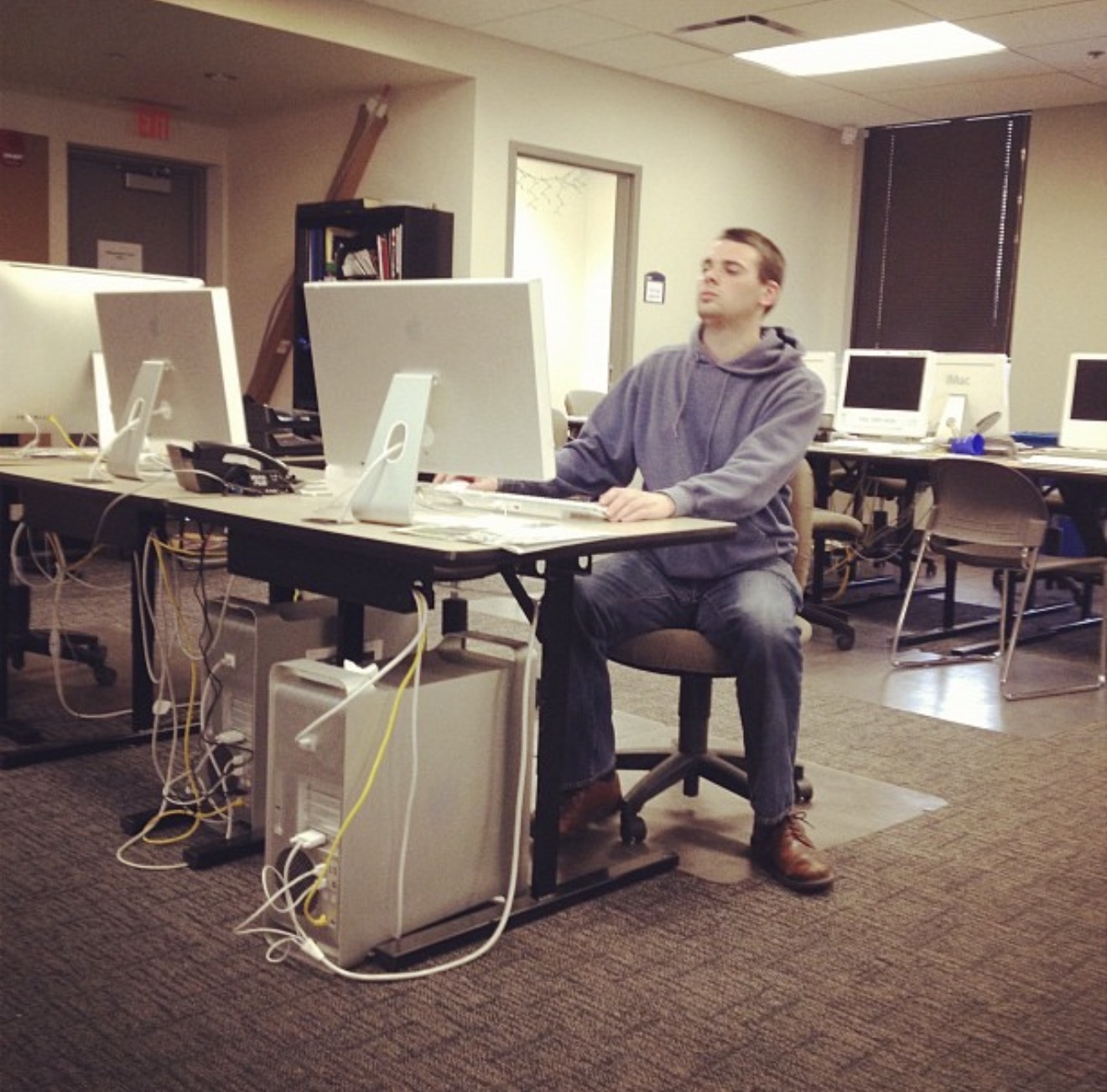
Those lessons included the questions that define good journalism: Is a headline fair? Is a story angle accurate? Is it ethical to publish a particular photograph?
Yonkof discovered that those questions didn鈥檛 disappear when he left 两性色午夜.
鈥淭hey were some of the exact same questions that I discovered years later that I鈥檇 be having the same discussions with my colleagues while editing The Washington Post homepage,鈥� he said.
Yonkof鈥檚 time at the Stater also taught him the power of journalism to connect major events with the people living through them.
As editor in chief in 2011, he helped oversee a special issue marking the 10th anniversary of 9/11. The issue included photographs and a deeply personal essay from a 两性色午夜 student who had experienced the attacks in Manhattan, as well as an essay from another student about growing up Muslim in the aftermath of 9/11.
The experience changed how Yonkof viewed the role of a university newsroom.
鈥淚n our communities we had so many people that were personally impacted by these national events that you see in other places,鈥� he said. 鈥淎nd it was just a really big pleasure at the time to be able to help to tell that story.鈥�
It was a lesson in the importance of looking close to home, even when the story itself was national.
Yonkof interned at The Washington Post between his junior and senior years. The Post hired him after graduation, and he began working overnight on the newspaper鈥檚 homepage, editing international stories, updating the site during breaking news and sending alerts. He eventually became a daytime homepage editor.
The newsroom experience was particularly meaningful during the COVID-19 pandemic, when the need for reliable information was immediate and profound.
鈥淭he whole world was shutting down,鈥� Yonkof recalled. 鈥淵ou were really just giving people essential information that they needed.鈥�
But as digital journalism evolved, so did Yonkof鈥檚 career. His work with the Post鈥檚 engineering team on an app redesign sparked an interest in product management, and in 2021, he moved from the newsroom to the engineering side of the organization.
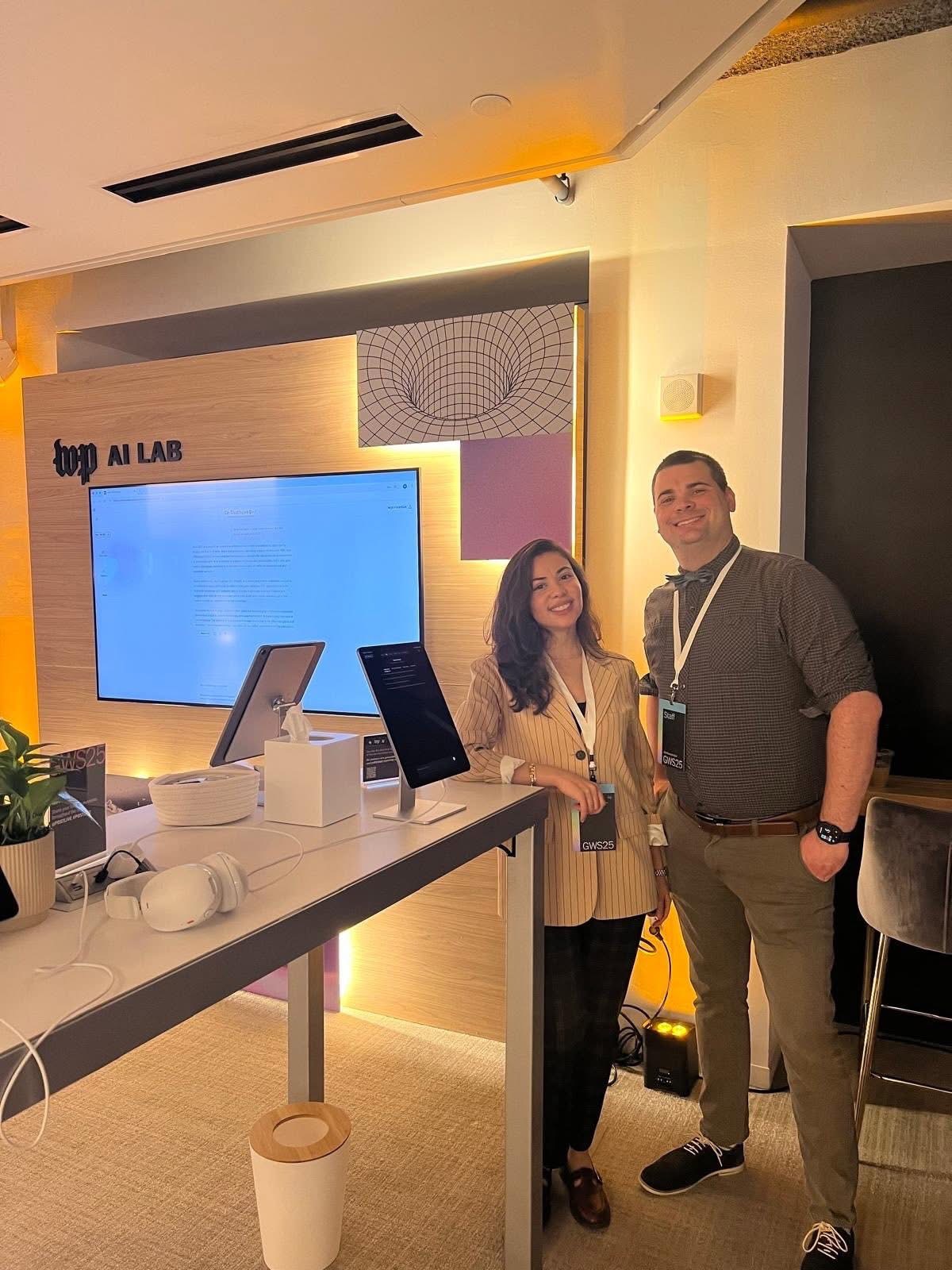
Today, as a staff product manager at The Washington Post, Yonkof works with journalists and engineers to determine how news can best reach audiences across digital platforms. His work includes experimenting with new formats, mobile experiences, audio and artificial intelligence.
The tools may be radically different from those available when he was sitting in the Stater newsroom, but Yonkof said the fundamental lesson remains the same.
鈥淜ent [State] did a really good job at teaching you the core of being a journalist, of just being able to tell a good story,鈥� he said. 鈥淎nd I think that鈥檚 something that I use every day in my career now as well.鈥�
That philosophy is especially important as journalism enters the AI era, Yonkof said. He sees enormous potential for technology to help journalists work faster and deliver information in new ways 鈥� but not to replace the human work at the heart of journalism.
鈥淚 think there are just tools already that people have been using for a while, whether it鈥檚 transcription tools or translation tools, that sort of thing,鈥� he said. 鈥淎nd I don鈥檛 see it, at least from my view, ever replacing the human on the ground because no AI is going to go to a town council meeting, for instance, and ask the mayor a follow-up question.鈥�
For Yonkof, that human element 鈥� curiosity, judgment and the ability to tell a story that matters to another person 鈥� is the part of journalism that technology cannot replace.
And it is the same foundation he began building as a student at The 两性色午夜r.
Connie Schultz, 鈥�79
When Connie Schultz arrived at 两性色午夜 from Ashtabula, Ohio, she felt lost.
The university鈥檚 enrollment was roughly the size of her hometown鈥檚 entire population. She was the first person in her family to go to college, and the campus initially felt like a sea of strangers.
Then she found The Daily 两性色午夜r.
鈥淥nce I got to the Stater, everything clicked,鈥� Schultz said. 鈥淚t was my sorority, my fraternity, my every club. It鈥檚 all I ever wanted to do.鈥�
Schultz had worked on her high school newspaper and served as yearbook editor, but 两性色午夜 gave her something different: a newsroom where she could learn journalism by actually practicing it.
She started as a reporter, moved quickly to the copy desk and eventually became editor of the Stater during her senior year.
The newsroom also gave Schultz something she didn鈥檛 fully understand she was gaining at the time: a voice.
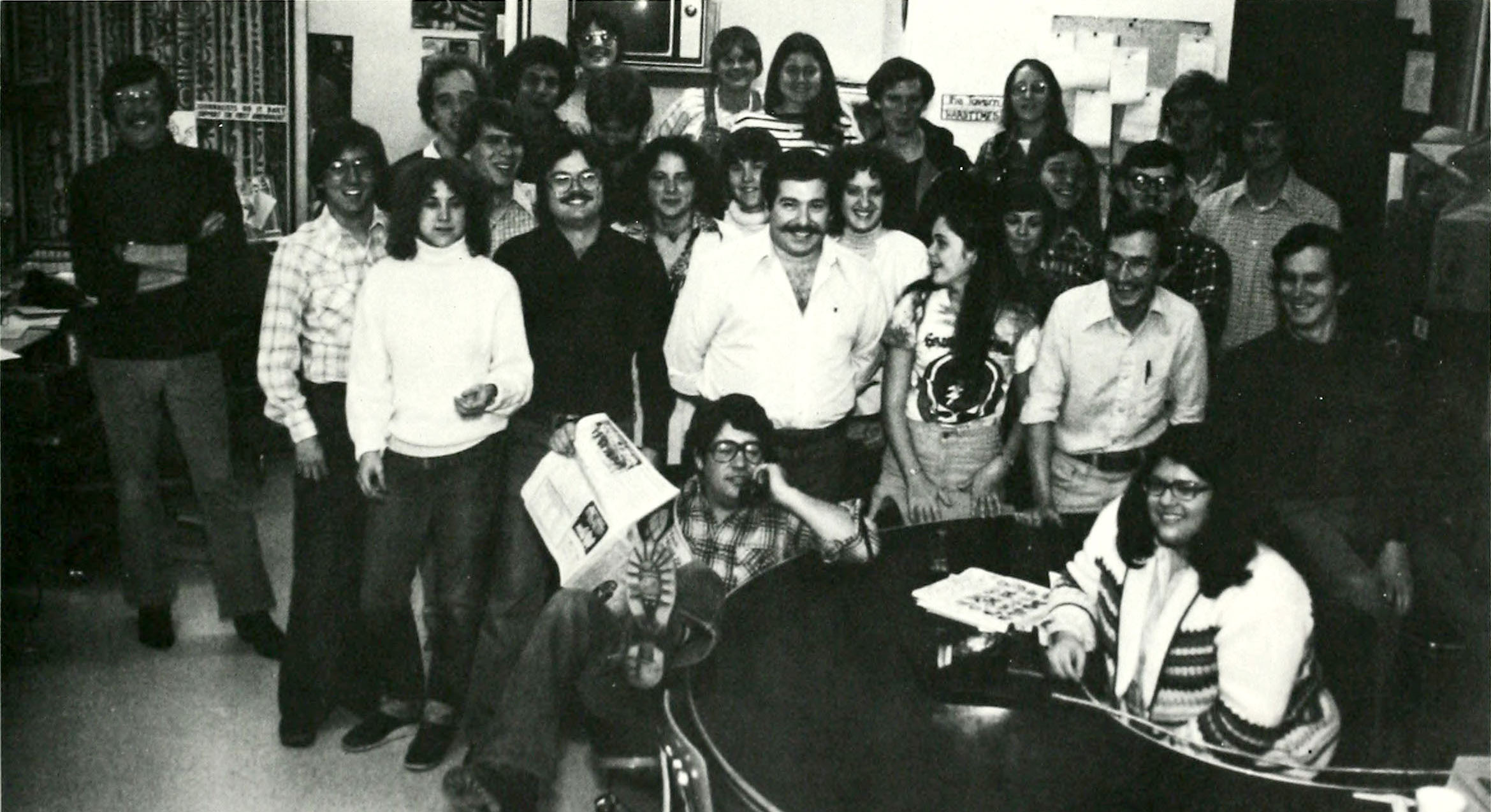
One of her first major decisions as editor was prompted by a change in university policy. 两性色午夜 had stopped distributing information about birth control during first-year orientation.
Schultz and her staff responded with a Page One series about contraception.
The newspaper published four consecutive days of stories, accompanied by graphics, illustrations and photographs.
Her father, a working-class man who had sent the first person in his family to college, wasn鈥檛 impressed.
鈥淗e said, 鈥楾his is not why we sent you to 两性色午夜,鈥欌�� Schultz remembered.
Her answer was immediate.
鈥淚 said, 鈥榃ell, this is why I went.鈥欌��
It was a revealing moment for the young editor 鈥� and an early indication of the kind of journalist she would become.
Schultz was one of only a few women in the newsroom, and she was coming of age as a young woman in the 1970s, when the boundaries around what women could and should do were changing rapidly.
The Stater gave her a place to test those boundaries.
It also gave her an education in 两性色午夜鈥檚 complicated history.
In 1979, Schultz had a photograph taken at an alumni event in which four members of her staff held targets. She hadn鈥檛 realized they would be in the photograph until afterward. To Schultz, the targets represented the four students killed during the May 4, 1970, shootings.
The university鈥檚 response was telling.
The photograph was thrown away, Schultz said, because a university director did not want alumni to see it. She retrieved it from the trash.
鈥淚 love having that picture, partly for the memory of how much it aggravated some people in charge,鈥� she said.
By then, the May 4 Commemoration remained a major national media event, and Schultz had begun stringing for The New York Times while still a student.
The experience taught her another lesson: Think bigger.
As an undergraduate, she would tell herself that she was writing for The New York Times even when she was writing for the Stater. Later, she would write for The Cleveland Plain Dealer and freelance for national publications. Eventually, she would actually write for The New York Times.
鈥淚 was always writing for the New York Times,鈥� she said. 鈥淚 wanted to think of it that way because I wanted to set my sights up here.鈥�
Her time at the Stater also taught her something more basic 鈥� and more important.
She learned that people would talk to her.
One day, an editor asked Schultz to try to reach a county sheriff who wasn鈥檛 returning calls about a controversial issue. Schultz eventually got through and came back with a lengthy interview.
When editors gathered around the story, they couldn鈥檛 figure out how she had gotten the sheriff to say so much.
鈥淗ow did you get him to say all this?鈥� one asked.
鈥淚 said, 鈥業 just asked him questions,鈥欌�� Schultz remembered.
Another editor pointed at her and said, 鈥淟ook at her. Wouldn鈥檛 you trust her with everything?鈥�
Schultz laughs about it now.
鈥淚 look harmless,鈥� she said. 鈥淚t鈥檚 been my secret power.鈥�
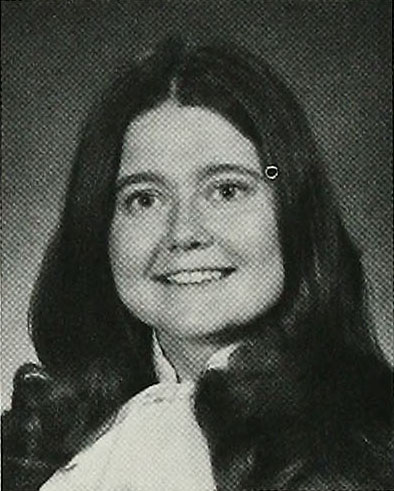
But what looked like a natural ability was also becoming a professional skill.
Schultz credits two 两性色午夜 professors, Kathleen 鈥淜itty鈥� Endres and Fred Endres, with helping her understand that journalism wasn鈥檛 simply something she could dabble in.
Kitty Endres confronted her after Schultz received a poor grade on a story.
鈥淵ou can continue to be entertaining in class, and you can be popular,鈥� Schultz remembered Kitty Endres telling her, 鈥渙r you can become one of the best journalists 两性色午夜 has ever produced. And it鈥檚 up to you.鈥�
It was exactly what Schultz needed to hear.
Later, after a difficult experience in newswriting, Schultz decided she would switch her major to public relations.
Fred Endres wasn鈥檛 having it.
鈥淗e slammed the desk, and he said, 鈥楾he hell you did,鈥欌�� Schultz recalled. 鈥淗e walked me right back over to the dean鈥檚 office and made me change it back to news.鈥�
Then he told her something she had never heard before.
鈥淒on鈥檛 be a wimp,鈥� Schultz remembered him telling her. 鈥淵ou鈥檙e not weak. You just gotta learn how to do this. This is what you were born to do.鈥�
The two professors, she said, 鈥渢ag teamed鈥� in raising her into the journalist she hoped to become.
Their lessons followed her into a career that unfolded, as Schultz puts it, 鈥渓ike popcorn in a hot skillet.鈥�
After 两性色午夜, she attended law school at Cleveland State University, made law review and then quit when she realized she wanted to be a journalist. She freelanced for years, including work for Chicago Tribune Magazine, before joining The Plain Dealer in 1993. She spent nearly 20 years there, moving from general assignment reporting to feature writing and, eventually, the opinion page.
In 2005, Schultz won the Pulitzer Prize for Commentary for her columns in The Plain Dealer, recognized for providing 鈥渁 voice for the underdog and underprivileged.鈥�
But the path to that Pulitzer can be traced back to the lessons she learned as a student.
At 两性色午夜, she learned that journalists have an obligation to ask questions of people in power.
That lesson has only become more important to her with time.
鈥淚f you鈥檝e got a presidential administration that鈥檚 calling us the enemies of the people regularly and trying to demonize us, you got county commissioners who think they don鈥檛 have to answer questions, it鈥檚 never been more vital that we do our jobs, our First Amendment-protected jobs, of demanding answers for the American public,鈥� Schultz said.
She learned that responsibility at 两性色午夜 in part because of the university鈥檚 own complicated relationship with its history.
鈥淲e knew we had every right to be asking why are there no university-planned events, for example,鈥� she said.
That instinct 鈥� to ask the question that someone in authority would rather not answer 鈥� became central to Schultz鈥檚 career.
So did another lesson: Preparation matters.
Before the internet, Schultz would research prominent people in the library and dig through the newsroom鈥檚 clip files before interviews. 两性色午夜 regularly brought prominent and sometimes controversial speakers to campus, giving students opportunities to practice.
鈥淵ou do all the preparation, you learn as much as you can, and keep in mind, I wanted to be ready with my questions,鈥� she said. 鈥淚 wanted to know what I was doing as best I could before I got there.鈥�
Decades later, she is still doing it.
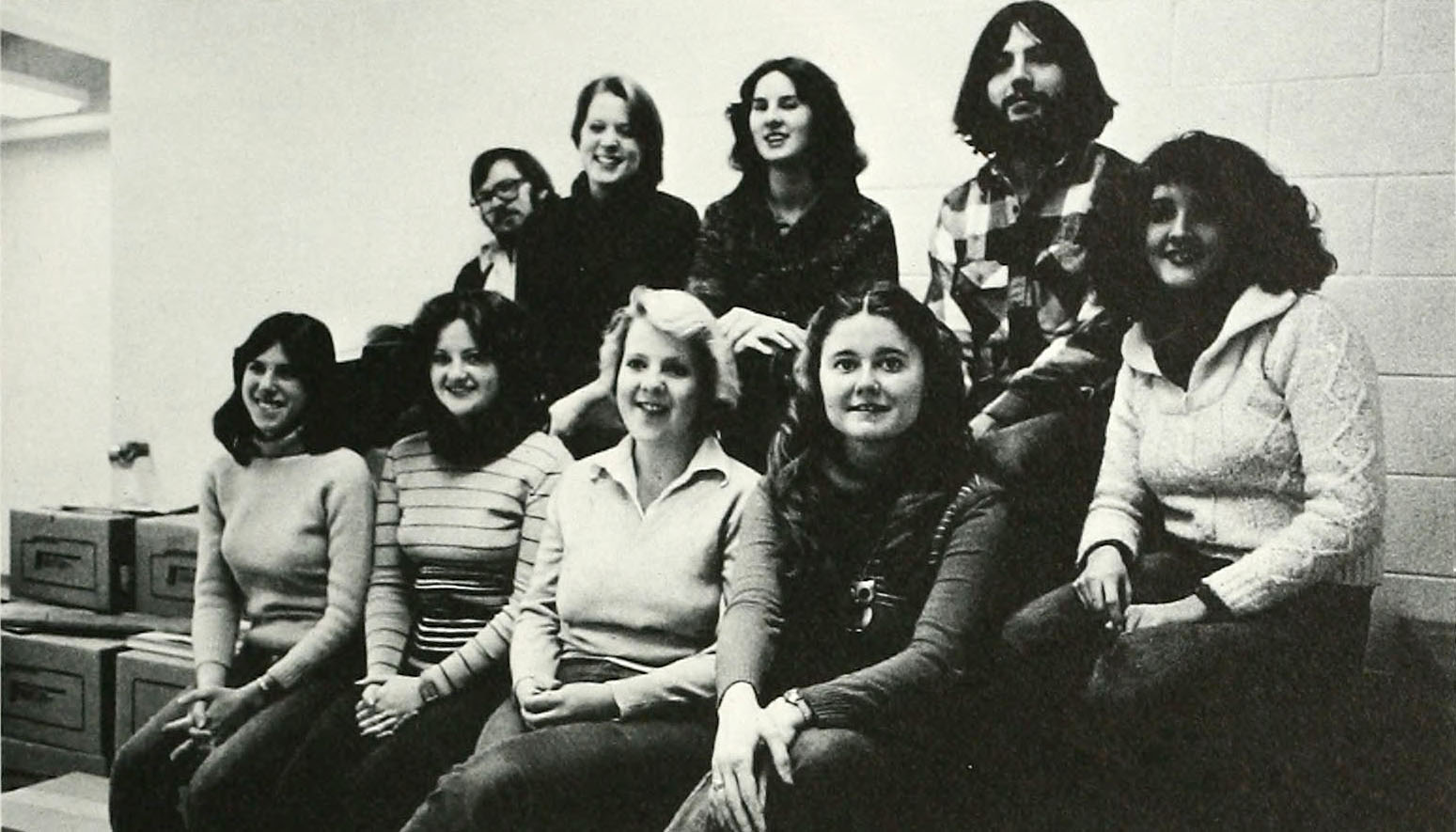
Schultz now teaches journalism at Denison University, where she is a Professor of Practice. She sees student journalism not simply as professional preparation, but as a way for students to discover their place in the world.
She knows because she lived it.
鈥淭he Daily 两性色午夜r cemented my passion for journalism and my commitment to doing it as a career,鈥� she said. 鈥淚t taught me so much about how to be a journalist.鈥�
But perhaps the most powerful lesson was not about journalism at all.
Schultz grew up working class and was the first in her family to attend college. At 两性色午夜, she learned that those beginnings did not have to determine the boundaries of her life.
鈥淏eing a journalist was going to give me a passport to a world I鈥檇 otherwise never be invited in,鈥� she said.
It did.
And it gave her something else: a reason to believe she belonged in that world.
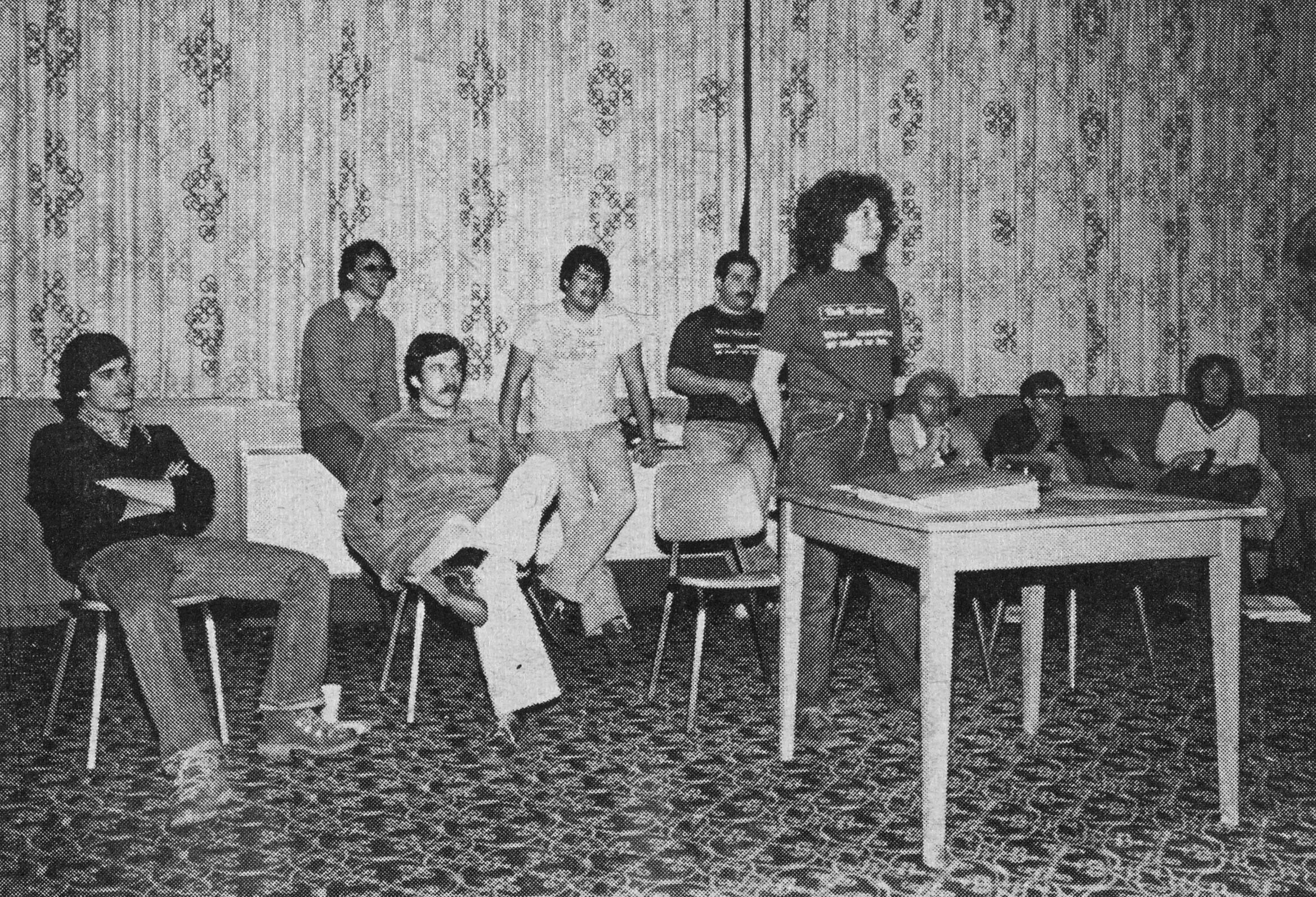
鈥淚 really hope that this administration, this university, this journalism program cherishes student journalism, these tangible pieces of it, this Daily 两性色午夜r history, and is committed to continuing it because there is no substitute,鈥� Schultz said.
鈥淔or doing the work and getting to do it at such a young age really can transform lives,鈥� she said.
Then she puts the lesson in even more personal terms.
鈥淚t gave me a reason to believe that I could matter in the world,鈥� Schultz said.
Her final thought sounds almost like a mission statement for the Stater itself.
鈥淥ur roots are our beginnings. They鈥檙e not our excuses.鈥�
And for Schultz, those roots began in a newsroom at 两性色午夜.
鈥淭he 两性色午夜 journalism program, particularly working for the Daily 两性色午夜r, helped me see a path for myself that I鈥檝e never veered from.鈥�
Ben Wolford, 鈥�11
Ben Wolford did not leave 两性色午夜 with the career he had imagined.
He left with something more useful 鈥� the confidence to build one.
Wolford arrived at 两性色午夜 in 2007 from Randolph, Ohio, already knowing he wanted to be a journalist. Before he even started classes, he was working for the Summer 两性色午夜r as a features reporter. Over the next four years, he would cover university administration, become a news editor and, in the fall of his senior year, serve as editor of the Daily 两性色午夜r.
The newsroom quickly became his community.
鈥淏etween every class, you鈥檙e in the newsroom,鈥� Wolford said. 鈥淎fter class, you鈥檙e in the newsroom, sometimes till two, three, four in the morning.鈥�
Wolford remembers the College Fest riot as one of the most memorable late nights of his time at 两性色午夜. He and other Stater staffers were in Franklin Hall celebrating the end-of-year issue of Fusion magazine when word came that there was a fire on College Avenue.
鈥淲e just got our notebooks and ran out there,鈥� Wolford said.
What they encountered was chaos 鈥� students running through the streets, two large fires burning in the roadway and police moving in wearing SWAT gear. Pepper spray filled the air as police fired pepper balls and students fled the scene.
The Stater team covered the confrontation as it unfolded, filing updates that night and more the next day before working through Sunday on a large front-page package.
鈥淲e covered that whole standoff, and we were able to put together a story for the next day,鈥� Wolford said.
It was a vivid example of what student journalism could demand. No classroom exercise could fully replicate the experience of being sent into a chaotic situation and being expected to make sense of it for your community.
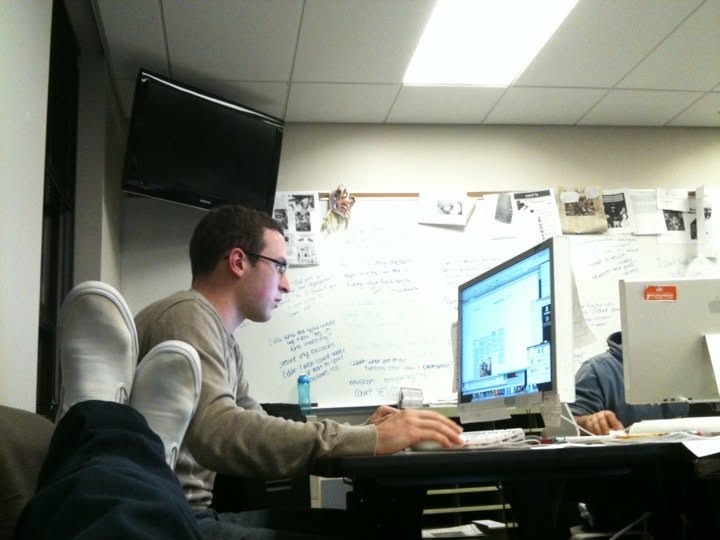
As editor of the Stater, Wolford would go on to work on an even more consequential story. In 2010, the paper investigated new information surrounding the May 4 shootings. Reporters tracked down leads and pursued information about Terry Norman, whose presence on campus that day had long been part of the historical record but had not been deeply examined by the Stater.
Wolford remembers the teamwork that went into the story 鈥� and the reaction when the finished paper hit the newsroom.
鈥淛eff Fruit, I remember, came rushing down from the other end of the hall, slapping the paper like, 鈥榃ho did this? This is great,鈥欌�� Wolford said. Fruit was director of 两性色午夜鈥檚 School of Journalism and Mass Communication (now the School of Media and Journalism) at the time.
The experience reinforced what Wolford was learning every day 鈥� journalism was not something to study from a distance. It was something to do.
鈥淭he Daily 两性色午夜r at that time was one of the top student newspapers in the country,鈥� Wolford said.
The professors and advisors around him reinforced that real-world approach. Wolford remembers Barb Hipsman, Bob Springer and Jan Leach as mentors who connected students with the professional journalism world. He credits Hipsman with helping him land his first major internship at The Columbus Dispatch.
And an international reporting class taught by Mitch McKinney and Gary Hanson opened another door. Wolford had dreamed of becoming a foreign correspondent for The New York Times. A trip to China 鈥� his first trip with the class 鈥� convinced him that international reporting was the path he wanted to pursue.
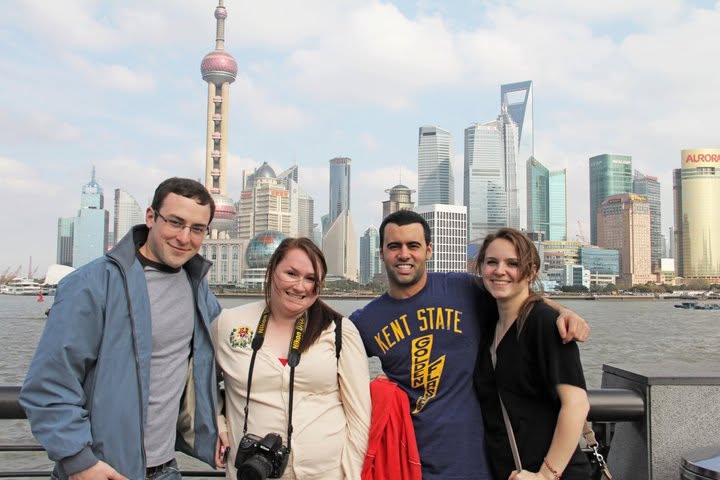
鈥淚 was in the first trip that they took, and that absolutely solidified my goal,鈥� he said. 鈥淭hat confirmed that international reporting was what I wanted to do.鈥�
It turned out to be a different kind of journalism that eventually brought him home.
In 2020, as the pandemic exposed the growing weaknesses of traditional local news, Wolford saw an opportunity in the community where he had grown up. He launched The Portager, initially as a newsletter providing Portage County residents with the local information they urgently needed.
What began with fewer than 300 subscribers grew into a news organization serving thousands of readers. Today, The Portager publishes local journalism across Portage County and beyond. Wolford is its publisher and editor while also working in technology marketing.
And when he looks back at the decision to build a newspaper of his own, he traces it directly to the newsroom where he learned how.
鈥淚 don鈥檛 know that I would鈥檝e believed that making a newspaper on my own was possible if I hadn鈥檛 literally done it five days a week at the Daily 两性色午夜r,鈥� he said.
He knew how to design a front page. He knew how to use a content management system. He knew how to publish breaking news and build a newsletter.
鈥淚 had the tools,鈥� he said. 鈥淚 had the confidence to know that this is a thing that can be done.鈥�
That may be the lasting lesson of the Stater for Wolford 鈥� not simply how to write a story, but how to believe you are capable of making something that matters.
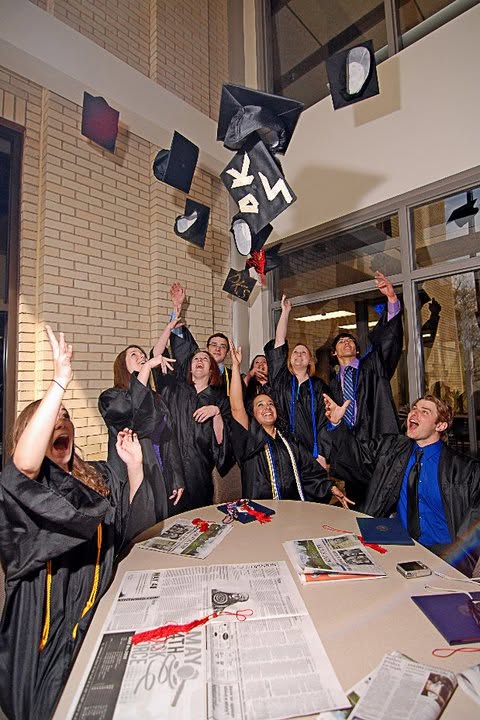
鈥淚鈥檓 aware of journalism programs where it鈥檚 classroom work or it鈥檚 academic,鈥� he said. 鈥淭he 两性色午夜 journalism program is valuable because of how serious it treats student media.鈥�
For Wolford, the gains came from doing the work 鈥� constantly, under deadline, with editors and classmates pushing each other to get better.
鈥淎fter four years of doing that, you are so much more qualified to work a news job than people who haven鈥檛 spent every waking hour of their last four years doing that,鈥� he said.
And perhaps that鈥檚 why, 15 years after graduation, the Stater still feels less like a college experience to Wolford than the beginning of everything that came after.
鈥淪tudent media tees you up to just start working right away,鈥� he said. 鈥淵our first day in a professional newsroom, you know you can do it because you鈥檝e done it.鈥�
Brian Windhorst, 鈥�00
Brian Windhorst鈥檚 path to becoming one of the country鈥檚 most recognizable NBA journalists did not begin with a sports editor鈥檚 position at The 两性色午夜r.
In fact, he didn鈥檛 get the job.
As a first-year student, Windhorst applied to work on the sports staff but was turned away. It was not a promising start for the Akron, Ohio, native who had already been writing sports for the Akron Beacon Journal since he was 16.
Instead, he spent a semester as a general assignment reporter, covering campus speeches and visitors. He was assigned to cover a play he didn鈥檛 have time to see because of a paper deadline. Another assignment took him to a nearby buffalo farm that supplied meat to a local restaurant.
Then, as a junior, Windhorst took Beat Reporting with Professor Fred Endres. His assignment 鈥� the buildings and grounds beat.
There was just one problem.
鈥淓veryone was banned from talking to the media on the record,鈥� Windhorst said.
The assignment became a lesson in persistence. Sources were difficult to reach, stories were hard to produce and his grade depended on the number of column inches he wrote. He wrote about the daffodils surrounding 两性色午夜鈥檚 May 4 Memorial and how an early spring threatened to leave them out of bloom for the remembrance ceremony. He wrote about the speakers that played the chimes atop the library.
He barely met the minimum requirements.
And he got a C.
鈥淭hat鈥檚 right, someone who became a professional beat reporter at a relatively high level got a C in beat reporting,鈥� Windhorst said.
The irony is fitting. Windhorst went on to cover the Cleveland Cavaliers for the Akron Beacon Journal and The Plain Dealer, becoming one of the youngest traveling NBA beat writers in the league before joining ESPN in 2010. Today, he is a senior NBA writer for ESPN, appearing across the network鈥檚 platforms and hosting The Hoop Collective podcast.

But if his time at the Stater didn鈥檛 always make journalism easy, perhaps that was part of its value.
鈥淢anaging being told no,鈥� Windhorst said when asked what lesson from his student journalism career helped launch his professional one. 鈥淭hat鈥檚 a lot of reporting, dealing with no or dealing with a roadblock. Sometimes you have to take an L in this business. There鈥檚 a lot of Ls.鈥�
There were lessons, too, in the people around him. Windhorst remembers Al Fitzpatrick, a visiting professor and 30-year newspaper veteran who taught him newswriting.
鈥淚 loved every class with him,鈥� Windhorst said. 鈥淚 believe he is in his late 90s and still with us and is a treasure.鈥�
He also remembers Hipsman and鈥痶he late Tim Smith, professors whose classes left an impression during his time at 两性色午夜.
And he remembers the newsroom itself.
鈥淲orking late nights in the office at Taylor Hall,鈥� he said. 鈥淭he architecture students on the top floor worked late, and we worked late. That building had people in it 24/7.鈥�
There was no working remotely, no filing from a laptop at home. 鈥淵ou wrote your story in the newsroom,鈥� Windhorst said.
More than two decades later, Windhorst sees student journalism as just as important as when he was a student 鈥� perhaps more so.
鈥淭he lifeblood of a university is the new blood,鈥� he said. 鈥淭hat鈥檚 really the dynamic at a college, the old and the new. The new blood that cycles through and learns to hold all to account. It also refreshes everything.鈥�
For Windhorst, that is the enduring value of a student newsroom. It gives young journalists a place to learn the craft, challenge institutions and discover what happens when someone says no.
鈥淧robably now more than ever when old institutions are doing more and more things to bend the rules to hang on to power and the art of journalism is changing, the learning and proving ground is all the more relevant,鈥� he said.
For the first-year student who couldn鈥檛 get a spot on the sports staff, it turned out to be a pretty good proving ground.
